

Key Takeaways
- Typhoons and hurricanes are both intense tropical cyclones but occur in different ocean basins and regions.
- Typhoons typically form in the Northwest Pacific Ocean, while hurricanes develop in the Atlantic Ocean and Northeast Pacific.
- Both systems share similar characteristics such as wind speed thresholds and structural features, though naming conventions differ regionally.
- Impact patterns vary due to geographic and climatic differences between affected areas, influencing disaster preparedness and response.
- Forecasting techniques are largely similar, but regional meteorological agencies use distinct classification scales and warning systems.
What is Typhoon?
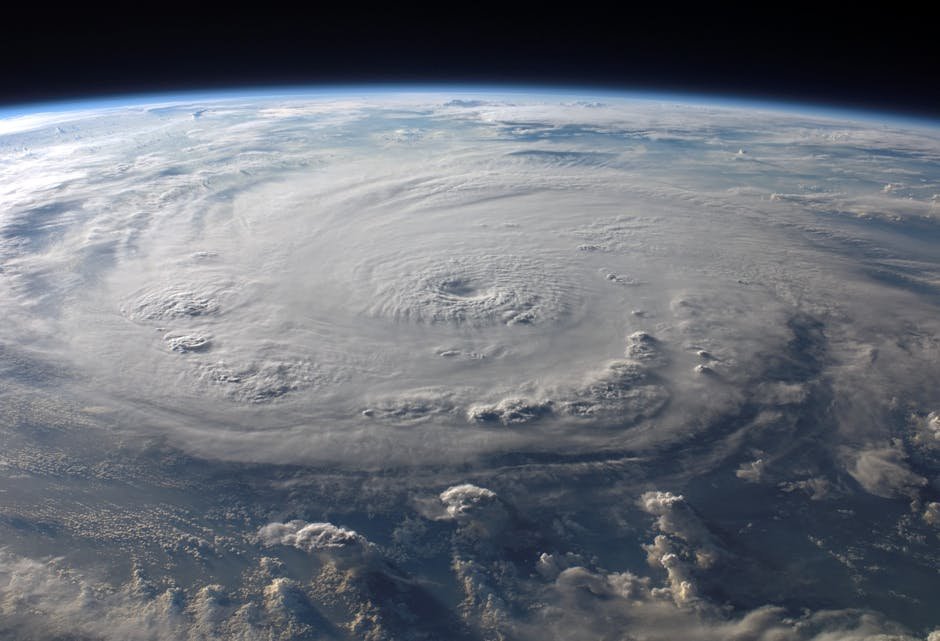
A typhoon is a mature tropical cyclone that forms in the Northwest Pacific Ocean, typically affecting East Asia and Southeast Asia. It is characterized by strong winds, heavy rainfall, and can cause significant damage upon landfall.
Formation and Development
Typhoons originate over warm ocean waters where sea surface temperatures exceed 26.5°C, providing the necessary heat and moisture. They usually develop between 5° and 20° latitude north of the equator, where the Coriolis effect initiates cyclonic rotation.
The process begins with a cluster of thunderstorms that organize around a low-pressure center, gradually intensifying as they draw energy from the ocean. Favorable atmospheric conditions such as low vertical wind shear and high humidity support the system’s strengthening into a full typhoon.
Seasonal patterns influence typhoon formation, with most events occurring between May and October, coinciding with the Western Pacific typhoon season. This temporal distribution aligns with the peak oceanic heat content and prevailing monsoon flows in the region.
Regional Impact and Vulnerability
Countries such as the Philippines, Japan, Taiwan, and China frequently experience typhoons, which can trigger widespread flooding, landslides, and infrastructure damage. Coastal communities are particularly vulnerable due to storm surges and strong winds that can destroy homes and agricultural land.
Urban centers often face compounded risks from typhoons because of high population density and complex infrastructure. For example, Manila regularly prepares for typhoon-related disruptions to transportation, power, and water systems, necessitating robust emergency management strategies.
Economic impacts from typhoons can be severe, disrupting manufacturing, shipping, and tourism sectors. Recovery timelines vary depending on the storm’s intensity, affected area size, and available local resources for rebuilding efforts.
Naming and Classification
The term “typhoon” is used specifically for tropical cyclones in the Northwest Pacific that reach sustained wind speeds of 74 mph (119 km/h) or greater. The Japan Meteorological Agency and other regional agencies assign names from predetermined lists contributed by member countries of the World Meteorological Organization’s Typhoon Committee.
Classification scales for typhoons include categories such as tropical depression, tropical storm, severe tropical storm, and typhoon, with further distinctions for super typhoons based on maximum sustained wind speeds. These classifications help authorities communicate threat levels and mobilize appropriate responses.
Unlike some other regions, the Northwest Pacific does not use the Saffir-Simpson Hurricane Wind Scale but relies on regionally developed criteria for intensity assessment. This reflects variations in meteorological practices and local needs.
Environmental and Climatic Effects
Typhoons contribute to the redistribution of heat from the tropics to higher latitudes, playing a role in global climate regulation. The intense rainfall associated with typhoons replenishes water resources but can also lead to soil erosion and sedimentation in rivers and coastal zones.
Marine ecosystems are affected by typhoon activity as strong winds and waves alter ocean surface conditions, impacting coral reefs and fish populations. Some species have adapted to seasonal typhoon occurrences, timing reproductive cycles to avoid the most destructive periods.
Climate change is expected to influence typhoon patterns, potentially increasing the frequency of high-intensity storms and altering their tracks. Researchers continue to monitor these trends to better understand future risks and inform mitigation strategies.
What is Hurricane?

A hurricane is a type of tropical cyclone that forms primarily in the Atlantic Ocean and the Northeast Pacific region. It is characterized by strong winds, heavy precipitation, and can cause widespread damage when making landfall.
Genesis and Meteorological Conditions
Hurricanes develop over warm ocean waters where temperatures exceed 26.5°C, providing energy through evaporation and condensation. They typically form between 5° and 20° latitude north or south of the equator, where the Coriolis force induces cyclonic rotation.
Initial disturbances such as tropical waves or low-pressure systems can intensify into hurricanes under conducive atmospheric conditions, including low wind shear and adequate moisture. The Atlantic hurricane season runs from June through November, aligning with peak sea surface temperatures and atmospheric instability.
Rapid intensification phases are common in hurricanes, where wind speeds increase dramatically in a short period, often complicating forecasting and emergency planning. This phenomenon is influenced by ocean heat content and upper-level atmospheric dynamics.
Areas Most Affected
Hurricanes primarily impact coastal regions of the United States, the Caribbean, Mexico, and parts of Central America. These storms bring destructive winds, heavy rains, and storm surges that can inundate low-lying areas and disrupt communities.
Urban centers like Miami and New Orleans are particularly susceptible due to their coastal location and population density, necessitating extensive hurricane preparedness measures. Evacuation plans and building codes are frequently updated based on recent hurricane experiences to minimize loss of life and property.
The economic consequences of hurricanes extend beyond immediate damage, affecting insurance markets, energy production, and agriculture. For instance, Hurricane Katrina in 2005 caused billions of dollars in damage and had long-lasting effects on regional development.
Naming Protocols and Intensity Scales
Hurricanes are named according to lists maintained by the National Hurricane Center and other regional agencies, with names alternating between male and female and rotating every six years. Names of particularly destructive hurricanes are retired to avoid confusion and respect the affected communities.
The Saffir-Simpson Hurricane Wind Scale categorizes hurricanes from Category 1 to Category 5 based on sustained wind speeds, providing a standardized measure of potential damage. This scale is widely used in public communications and disaster response planning.
Warnings and watches issued for hurricanes help inform populations of impending threats, allowing time for evacuation and preparation. These alerts are critical for reducing casualties and ensuring efficient mobilization of emergency services.
Influence on Environment and Society
Hurricanes play a significant role in shaping coastal ecosystems by reshaping shorelines and redistributing nutrients through storm surges and flooding. While destructive, these processes can also create new habitats and promote ecological diversity over the long term.
Socially, hurricanes challenge infrastructure resilience and highlight disparities in disaster preparedness and recovery capabilities. Vulnerable populations often suffer disproportionately, prompting ongoing efforts to improve equity in emergency management.
Climate models suggest that hurricane intensity may increase due to warming ocean temperatures, although changes in frequency remain uncertain. Understanding these trends is essential for improving future resilience and adapting urban planning strategies.
Comparison Table
The table below highlights key distinctions and similarities between typhoons and hurricanes across various parameters.
| Parameter of Comparison | Typhoon | Hurricane |
|---|---|---|
| Primary Ocean Basin | Northwest Pacific Ocean | Atlantic Ocean and Northeast Pacific |
| Commonly Affected Regions | East Asia, Southeast Asia | Caribbean, U.S. Gulf Coast, Eastern U.S. |
| Seasonal Peak | May to October | June to November |
| Maximum Sustained Wind Threshold | ≥74 mph (119 km/h) | ≥74 mph (119 km/h) |
| Classification System Used | Regional scales including |