

Key Takeaways
- Barges and vessels are critical components in delineating geopolitical boundaries, especially in maritime contexts.
- A barge typically refers to a flat-bottomed platform used in boundary definitions, often in inland or coastal waters, whereas a vessel denotes a broader category of ships relevant to territorial waters.
- The roles of barges and vessels differ in boundary negotiations, with barges often marking fixed points and vessels representing mobile boundary enforcement or presence.
- Legal interpretations of barges and vessels impact sovereignty claims, resource rights, and jurisdictional authority in disputed areas.
- Understanding their distinctions aids in grasping the complexities of maritime boundary delimitation under international law.
What is Barge?

A barge, in the context of geopolitical boundaries, is a floating platform or structure often used to mark or enforce maritime limits. It is generally stationary or towed and plays a role in establishing physical presence on water bodies.
Function in Boundary Demarcation
Barges serve as tangible markers in territorial waters, especially in rivers and coastal zones where clear boundaries are necessary. Their placement can signify control over specific water stretches or adjacent land areas to assert sovereignty.
In many cases, barges are used during negotiations or disputes to demonstrate occupation or usage rights. For instance, during boundary conflicts, positioning a barge strategically can influence the interpretation of territorial claims.
Such platforms may also support equipment like buoys, flags, or sensors that further establish a state’s presence and monitoring capabilities. This physical presence can be crucial in legal arguments about effective control.
Physical Characteristics and Mobility
Barges are typically flat-bottomed and lack self-propulsion, relying on tugs or other vessels for movement. This limited mobility makes them ideal for static roles in boundary marking but unsuitable for patrol or enforcement tasks.
Their construction allows them to be anchored or moored at specific locations for extended periods, creating a semi-permanent fixture. This characteristic is important in areas where fixed installations are impractical or prohibited.
Because they are not designed for navigation, barges are less visible in the traditional sense but provide stable platforms that can withstand environmental conditions. Their size and shape can be adapted depending on the geographic and political requirements.
Legal and Diplomatic Implications
International law often recognizes the presence of barges as evidence of occupation or use, influencing sovereignty claims. However, their status can be contentious, especially if they are perceived as artificial structures rather than natural extensions of territory.
Diplomatic disputes sometimes arise when barges are placed in contested waters, leading to negotiations or confrontations. Their legal recognition depends on factors such as permanence, purpose, and consent by other states.
States may deploy barges to reinforce claims without escalating to military presence, offering a form of low-intensity assertion. This strategy is visible in regions where outright military deployment would be provocative or unlawful under treaties.
Examples in Geopolitical Conflicts
In Southeast Asia, barges have been used to establish footholds in disputed maritime zones, often sparking regional tensions. Their presence signals intent to control fisheries, resources, or strategic waterways.
Similarly, along the Danube River, barges have historically marked boundaries between riparian states, clarifying jurisdictional responsibilities. Their roles here highlight how inland waterways rely on such structures for governance.
In Arctic regions, barges contribute to demarcating seasonal boundaries where ice conditions limit permanent installations. This adaptability is crucial in dynamic and environmentally challenging zones.
What is Vessel?
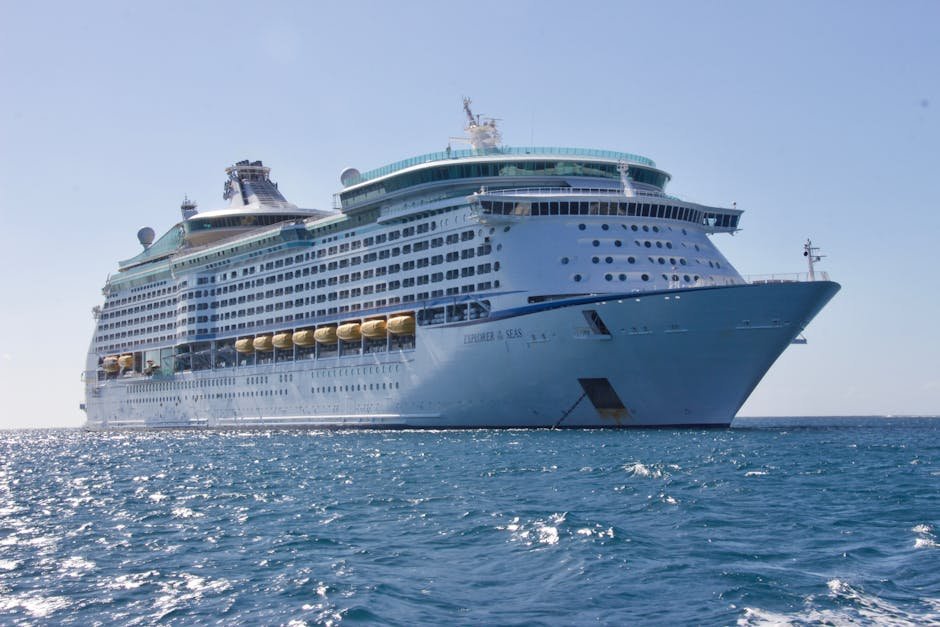
A vessel, in geopolitical terms, refers broadly to any ship or craft that operates in territorial or international waters with implications for boundary enforcement or sovereignty. Vessels are dynamic actors in asserting presence and control over maritime spaces.
Role in Sovereignty and Jurisdiction
Vessels act as mobile instruments of state authority, patrolling and monitoring disputed waters to enforce claims. Their movements demonstrate active control, a key factor in international boundary recognition.
Naval vessels, coast guard ships, or research vessels each serve distinct roles in asserting sovereignty and conducting activities permissible under international law. Their deployment can deter incursions or signal readiness to defend territorial rights.
Vessels also support scientific research and resource exploration, reinforcing jurisdictional claims through economic activity. This multipurpose use strengthens the legal standing of states over maritime zones.
Types and Capabilities
The category of vessels includes a wide variety of ships, from small patrol boats to large ocean-going vessels, each with different operational capabilities. This diversity enables states to tailor their maritime presence according to strategic needs.
Military vessels are equipped for defense and projection of power, while civilian vessels contribute to economic control and infrastructure support. The combination of vessel types creates a layered approach to maritime governance.
Technological advancements have enhanced vessels’ ability to monitor and communicate over vast maritime areas, increasing their effectiveness in boundary-related roles. Satellite integration and radar systems are examples of such enhancements.
Legal Status and International Recognition
International maritime law accords vessels specific rights and responsibilities depending on their flag state and operational context. These legal frameworks regulate passage, inspection, and engagement within territorial and international waters.
Vessels can be subject to boarding, seizure, or diplomatic protest in cases of boundary violations, making their deployment sensitive and consequential. Their status as sovereign platforms extends the state’s reach beyond fixed land borders.
The presence of vessels in disputed areas often triggers complex legal debates over freedom of navigation versus territorial claims. These disputes highlight the importance of clear legal definitions and bilateral or multilateral agreements.
Examples in Boundary Enforcement
The South China Sea disputes illustrate how vessels are deployed to patrol contested waters, signaling control and deterring rival claims. These vessels often operate alongside artificial islands and installations to bolster sovereignty assertions.
In the Arctic, vessels from various nations conduct routine patrols and research missions, reinforcing emerging boundaries in a rapidly changing environment. Their presence supports claims related to resource exploitation and environmental protection.
Along the US-Canada border, vessels ensure compliance with fishing quotas and maritime regulations, maintaining peaceful and regulated boundary management. These cooperative uses of vessels exemplify diplomatic boundary stewardship.
Comparison Table
The following table contrasts key aspects of barges and vessels in geopolitical boundary contexts.
| Parameter of Comparison | Barge | Vessel |
|---|---|---|
| Mobility | Typically stationary or towed; limited movement | Self-propelled with extensive navigational freedom |
| Functionality | Physical boundary marker or platform for installations | Enforcement, patrol, research, and transport roles |
| Legal Perception | Viewed as semi-permanent presence; sometimes contested as artificial | Recognized sovereign entity with defined rights under maritime law |
| Operational Environment | Primarily inland, coastal, or calm waters | Operates in territorial seas, exclusive economic zones, and international waters |
| Strategic Use | Used to establish fixed points of control or occupation | Used for dynamic presence and rapid response |
| Support Capabilities | Can host monitoring or signaling equipment | Equipped with advanced sensors, weapons, or scientific instruments |
| Visibility | Less conspicuous; can be camouflaged or integrated into environment | Highly visible and often identifiable by flag and markings |
| Legal Challenges | May be disputed as artificial installations lacking territorial effect | Subject to international navigation rights and sovereignty enforcement |
| Role in Disputes | Used to assert claims without escalation |

