

Key Takeaways
- Sunflower Oil and Soybean Oil serve as vital agricultural commodities with wide geopolitical implications in their respective producing regions.
- Sunflower Oil is predominantly associated with Eastern European and Central Asian countries, reflecting regional agricultural priorities and trade dynamics.
- Soybean Oil production and export are heavily tied to North and South American economies, influencing global food markets and trade policies.
- Both oils impact international relations through trade agreements, tariffs, and supply chain dependencies within global agricultural networks.
- Environmental and economic factors in producing countries shape the geopolitical importance of these oils beyond mere commodity markets.
What is Sunflower Oil?

Sunflower Oil is a vegetable oil derived from sunflower seeds, primarily cultivated in countries with temperate climates. It holds significant geopolitical weight in regions where agriculture and export policies shape economic strategies.
Regional Production and Export Patterns
Countries like Ukraine and Russia dominate sunflower seed cultivation, making them key players in global sunflower oil markets. This production concentration influences regional alliances and trade negotiations, especially in Eastern Europe. Sunflower Oil exports serve as a substantial income source for these nations, affecting their economic stability and diplomatic leverage. Political tensions in these regions can disrupt global supply chains, highlighting the oil’s geopolitical sensitivity.
Trade Relations and Geopolitical Influence
Sunflower Oil trade is often entangled with broader geopolitical strategies, including sanctions and trade embargoes. For example, trade restrictions imposed on major producers can ripple through global markets, causing price volatility and supply shortages. Additionally, sunflower oil trade agreements sometimes reflect deeper political alignments or conflicts between exporting and importing countries. These dynamics underscore the oil’s role as more than just an agricultural commodity but also a geopolitical instrument.
Economic Impact on Producing Countries
Sunflower Oil production contributes significantly to the GDP of key producing nations, supporting rural economies and employment. In countries like Ukraine, the sunflower oil sector is a critical export economy pillar, influencing national budget planning and foreign currency reserves. Fluctuations in global demand or disruptions to production due to conflict can have direct impacts on these economies. This economic reliance also drives government policy decisions and international diplomatic postures.
Environmental and Agricultural Considerations
Sunflower cultivation requires specific climatic conditions, which limits the regions capable of large-scale production. This dependency creates vulnerability to climate change effects such as droughts or changing rainfall patterns, which may shift geopolitical balances. Producing countries invest in agricultural technology and infrastructure to maintain yield and quality, often with international partnerships. These environmental factors intertwine with geopolitical concerns as nations compete or cooperate to secure stable sunflower oil supplies.
What is Soybean Oil?
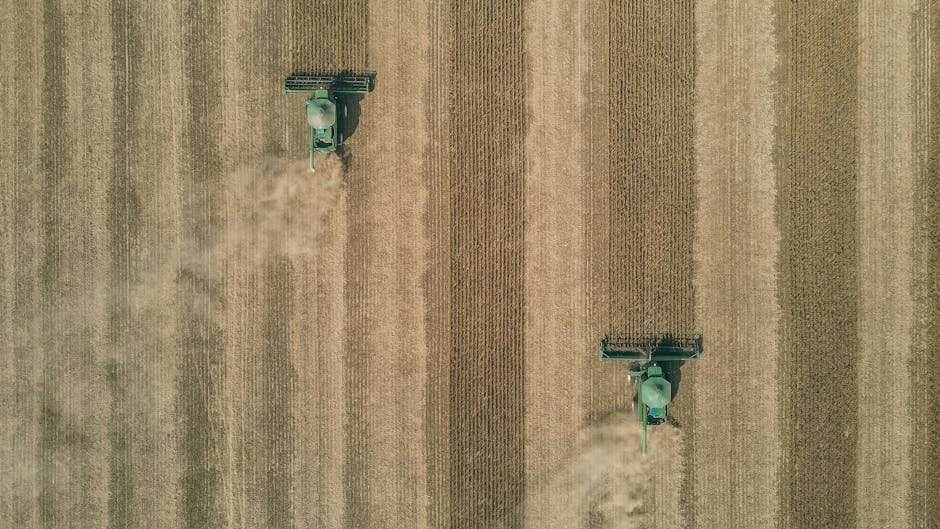
Soybean Oil is extracted from the seeds of soybean plants, widely grown in the Americas, particularly the United States, Brazil, and Argentina. The oil’s production and trade have become central to agricultural geopolitics affecting global food security and trade policies.
Major Producers and Global Market Share
The United States and Brazil lead the world in soybean cultivation, shaping the global soybean oil market with their export volumes. These countries leverage soybean oil exports to strengthen economic ties and influence market prices internationally. The dominance of these producers affects trade flows, as importing nations often depend heavily on their supply. Market fluctuations in these countries can directly impact global food industries and trade relations.
Trade Policies and International Relations
Trade tariffs on soybean oil have been pivotal in recent trade disputes, affecting relationships between major economies like the US and China. Such policies demonstrate how soybean oil is a strategic commodity within broader geopolitical negotiations. Export restrictions and subsidies further complicate these dynamics, influencing global availability and pricing structures. Consequently, soybean oil serves as a bargaining chip in diplomatic engagements and trade agreements.
Economic Significance in Agricultural Economies
Soybean oil production underpins large segments of agricultural economies, particularly in South America where it supports rural livelihoods. The sector generates substantial export revenues, influencing national economic policies and investment priorities. In countries like Brazil, soybean oil farms have expanded rapidly, driving infrastructure development and international trade partnerships. Economic health in these regions is closely linked to the stability of soybean oil markets.
Environmental Impacts and Sustainability Challenges
Soybean cultivation has been associated with deforestation and land-use changes, particularly in the Amazon basin, raising international environmental concerns. These ecological issues have geopolitical consequences as global actors push for sustainable agricultural practices. Efforts to improve yield efficiency and reduce environmental footprints are ongoing, involving multinational cooperation and technological innovation. The sustainability debate around soybean oil production influences trade regulations and consumer preferences worldwide.
Comparison Table
The following table outlines key aspects of Sunflower Oil and Soybean Oil in their geopolitical context, highlighting differences in production, trade, and environmental impact.
| Parameter of Comparison | Sunflower Oil | Soybean Oil |
|---|---|---|
| Primary Producing Regions | Eastern Europe, Central Asia | North and South America |
| Leading Exporters | Ukraine, Russia | United States, Brazil |
| Role in Trade Conflicts | Subject to sanctions affecting supply | Central to tariff disputes |
| Economic Reliance | Significant to national GDP in key producers | Major contributor to rural economies |
| Environmental Concerns | Climate-dependent cultivation zones | Linked to deforestation and land-use issues |
| Global Market Influence | Moderate global market share | Dominant global market presence |
| Trade Partnership Effects | Influences Eastern European alliances | Affects US-China and regional agreements |
| Technological Investments | Focus on yield improvements amid climate risks | Emphasis on sustainable farming practices |
| Supply Chain Vulnerability | High due to geopolitical instability | Moderate, affected by environmental policy |
| Impact on Food Security | Important for regional nutrition and economy | Critical for global food supply chains |
Key Differences
- Geographical Concentration — Sunflower Oil production is heavily concentrated in Eastern Europe, while Soybean Oil is primarily grown in the Americas.
- Trade Conflict Roles — Sunflower Oil is more vulnerable to geopolitical sanctions, whereas Soybean Oil is often a focal point in tariff wars.
- Environmental Challenges — Soybean Oil production is closely linked to deforestation concerns, unlike Sunflower Oil’s climate-dependent growth limitations.
- Market Influence Scale — Soybean Oil holds a larger share in global vegetable oil markets compared to Sunflower Oil.
- Supply Chain Stability — Sunflower Oil supply chains face higher risks from regional conflicts, whereas Soybean Oil is more affected by environmental regulations.
FAQs
How do geopolitical tensions affect sunflower oil availability?
Conflicts in key producing regions, particularly in Eastern Europe, can disrupt sunflower seed harvesting and export routes, causing global shortages. Such disruptions may trigger price spikes and force countries to seek alternative oil sources.
What role does soybean oil play in international food security?
Soybean oil is integral to global food industries, providing essential cooking oil and ingredients for processed foods worldwide. Its production supports large-scale food supply chains, making stability in soybean markets critical for food security.
Are there significant differences in how Sunflower Oil and Soybean Oil impact local economies?
Yes, sunflower

