

Key Takeaways
- Land primarily denotes a tangible geographic area defined by physical boundaries and natural features.
- Realm typically signifies a political or sovereign domain often associated with monarchy or historical governance structures.
- While land is a physical concept, realm carries cultural and institutional connotations tied to authority and governance.
- Realms often embody the notion of sovereignty and legal jurisdiction beyond mere territorial extent.
- Understanding the distinction between land and realm clarifies how geopolitical boundaries are conceptualized historically and contemporarily.
What is Land?
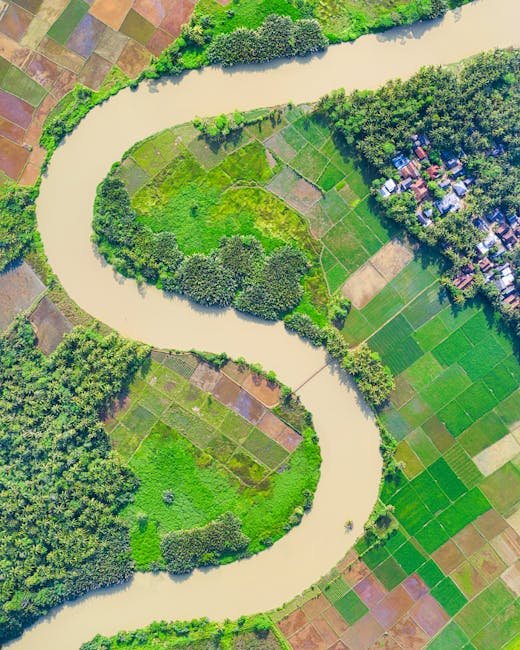
Land refers to a defined portion of the Earth’s surface, usually characterized by its physical and geographical features. It represents the spatial extent inhabited, used, or controlled by individuals, groups, or states.
Physical Geography and Boundaries
Land is inherently tied to its physical characteristics such as terrain, climate, and natural resources. For example, the Sahara Desert or the Amazon rainforest delineate vast land areas recognized by their environmental traits. These features influence how land is utilized, inhabited, or contested in geopolitical contexts. Boundaries of land can be natural, such as rivers or mountain ranges, or artificially demarcated by human activity.
Political borders often trace land boundaries but may diverge due to historical treaties or conflicts. The demarcation of land is essential for governance, taxation, and resource management. For instance, the border between the United States and Canada follows both natural landmarks and surveyed lines. Thus, land’s physical aspect underpins its geopolitical significance.
Legal Ownership and Property
Land is commonly understood as an asset that can be owned, bought, or sold under legal frameworks. Property rights define who controls the use and benefits derived from specific land parcels. In real estate, land ownership confers responsibilities including maintenance and adherence to zoning laws. These legal provisions ensure orderly use and protection of land resources.
Land ownership can be private, communal, or state-controlled, varying widely across regions. For example, indigenous communities in Australia hold recognized claims over traditional lands. These arrangements impact land disputes, development projects, and conservation efforts. Legal recognition of land ownership often shapes social and economic relations within a region.
Economic and Strategic Importance
Land forms the foundation for economic activities such as agriculture, industry, and urban development. The fertility of soil, availability of minerals, or proximity to waterways can enhance a land’s value. Strategic land holdings can influence national security, as seen in territories bordering hostile neighbors. Control over land often translates into political leverage and economic prosperity.
Urban centers develop on land, making it a critical resource for infrastructure and population sustenance. Countries with vast arable land, like Brazil, benefit from robust agricultural exports. Conversely, landlocked nations face challenges in trade and logistics, affecting their economic dynamics. Thus, land’s economic role is inseparable from its physical and political contexts.
Cultural and Historical Context
Land frequently embodies cultural identity and historical heritage for communities and nations. Sacred sites, ancestral territories, and historic battlefields connect people intimately with land. For example, the Ganges River basin holds profound religious significance in India. These cultural attachments influence land rights and preservation efforts.
Historical land claims often form the basis for contemporary territorial disputes. Colonial-era land divisions continue to impact borders in Africa and Asia. Land is more than a mere space; it is a repository of collective memory and tradition. This aspect complicates geopolitical negotiations and conflict resolution.
What is Realm?

Realm refers to a domain or territory under the sovereignty of a monarch or governing authority, often signifying a political or dynastic entity. It is a concept deeply rooted in historical governance and the exercise of state power.
Sovereignty and Governance
Realms are defined by the authority exercised over a territory and its population, frequently under a singular ruler or dynasty. For example, the British Realm historically encompassed several kingdoms and territories under the monarchy. This political control includes law-making, defense, and administration.
The concept of realm emphasizes governance structures rather than just territorial extent. Sovereignty in realms often implies legitimacy derived from tradition, religion, or conquest. Modern constitutional monarchies maintain realms symbolically, while real political power may be vested elsewhere. Thus, realms represent both authority and political identity.
Historical and Dynastic Significance
Realms have traditionally been linked to royal families and hereditary rule, as seen in medieval Europe or ancient empires. The Holy Roman Realm, for example, was a complex political entity combining various principalities under an emperor. Such realms were often fluid in size and influence due to dynastic marriages or wars.
Dynastic realms frequently extended beyond contiguous land, incorporating overseas territories or protectorates. The Spanish Realm in the 16th century included vast colonial holdings across the Americas and Asia. This transnational character distinguishes realms from simple territorial units. The legacy of these realms continues to shape modern state borders and identities.
Cultural and Symbolic Dimensions
Realms carry symbolic weight, representing unity, tradition, and national identity. Monarchs often serve as cultural icons embodying the realm’s history and values. Ceremonies such as coronations reinforce the realm’s legitimacy and continuity.
This symbolic role can transcend the actual political power held, as in constitutional realms with limited monarchic authority. The realm’s identity is often celebrated through flags, anthems, and official rituals. These elements foster social cohesion and a sense of belonging among subjects.
Legal and Diplomatic Implications
Realms can have distinct legal systems and diplomatic practices reflecting their sovereign status. Treaties or alliances may be negotiated on behalf of the realm as a whole rather than individual lands within it. For example, the Commonwealth realms share a monarch but maintain separate legal identities.
Recognition of realms by other states affects international relations, including membership in organizations like the United Nations. The status of a realm can influence citizenship, trade agreements, and military obligations. Therefore, realms operate as complex geopolitical actors beyond simple geographic boundaries.
Comparison Table
The following table highlights detailed aspects distinguishing land and realm within geopolitical contexts.
| Parameter of Comparison | Land | Realm |
|---|---|---|
| Definition | Physical surface area characterized by natural or artificial boundaries. | Political entity governed by sovereign authority, often monarchic. |
| Primary Focus | Geographical and environmental features. | Governance, sovereignty, and political control. |
| Ownership | Can be privately or publicly owned with legal property rights. | Typically under the rule of a monarch or ruling dynasty. |
| Symbolism | Represents tangible territory and resources. | Embodies political legitimacy and cultural identity. |
| Boundary Types | Natural (rivers, mountains) and artificial (survey lines, fences). | Defined by political treaties, dynastic claims, and historical conquests. |
| Legal Jurisdiction | Subject to local laws and property regulations. | Encompasses sovereign laws and diplomatic authority. |
| Continuity | Can exist independently of political changes. | May change with shifts in rulership or political structure. |
| Economic Relevance | Foundation for agriculture, industry, and urban development. | Control over resources and trade through sovereign policies. |
| Cultural Role | Site of historical events and cultural landmarks. | Represents collective identity and royal heritage. |
| International Recognition | Recognized through geographic and cartographic means. | Acknowledged via diplomatic relations and treaties. |

