

Key Takeaways
- Sapporo is the largest city and administrative capital of Hokkaido, acting as a cultural and economic hub for the region.
- Hokkaido is Japan’s northernmost and second-largest island, encompassing diverse landscapes, towns, and rural areas, including Sapporo.
- The urban identity of Sapporo contrasts sharply with Hokkaido’s broader rural character and natural attractions.
- Distinct climates, population densities, and local economies separate Sapporo as a metropolitan area from the wider, expansive territory of Hokkaido.
- Tourism, governance, and infrastructure in Sapporo and Hokkaido reflect their different roles within Japan’s geopolitical landscape.
What is Sapporo?
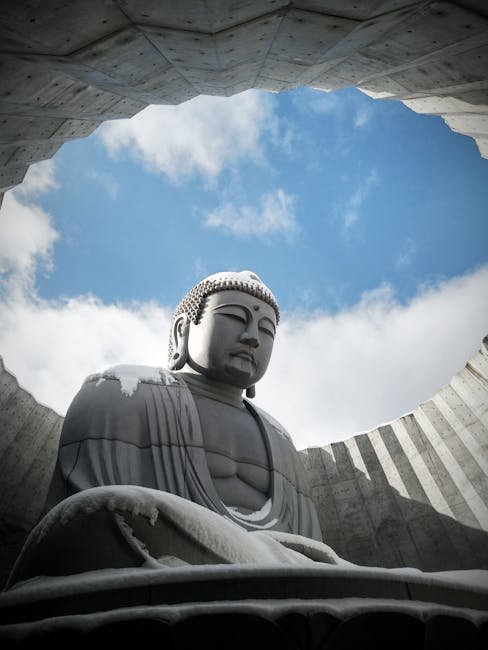
Sapporo is the capital and largest city on the island of Hokkaido, Japan. It serves as a major urban center and is renowned for its unique blend of modern city life and northern charm.
Urban Development and Infrastructure
Sapporo’s cityscape features wide boulevards and a systematic grid layout, which distinguishes it from many other Japanese cities. The city’s infrastructure supports efficient public transport, including the Sapporo Municipal Subway and extensive bus networks.
Landmarks such as the Sapporo TV Tower and Odori Park serve as focal points for both locals and tourists. The city is also home to the Sapporo Dome, a multi-purpose stadium that hosts sporting events and concerts throughout the year.
Modern shopping districts like Tanukikoji and sophisticated business areas highlight Sapporo’s economic vitality. Skyscrapers and contemporary buildings reflect ongoing urban growth and investment.
Winter maintenance is a significant concern, as the city consistently ranks among the snowiest major cities globally. Sapporo has developed specialized snow removal systems and heated roadways to ensure year-round accessibility.
Cultural Significance and Events
Sapporo is internationally recognized for the annual Sapporo Snow Festival, which draws millions of visitors with its massive snow and ice sculptures. The event transforms the city into a vibrant winter wonderland, showcasing both artistic talent and regional pride.
The city’s historical connection to beer is celebrated at the Sapporo Beer Museum, a testament to its role in Japanese brewing history. Local breweries contribute to a thriving gastronomic scene, offering specialties like Sapporo ramen and fresh seafood.
Throughout the year, Sapporo hosts a range of cultural festivals, including the Hokkaido Shrine Festival and Autumn Fest. These events reflect the city’s blend of traditional customs and contemporary lifestyle.
Music and performing arts are integral, with venues like Sapporo Concert Hall Kitara presenting classical and modern performances. The city’s diverse population fosters a cosmopolitan atmosphere, encouraging creative expression.
Economic Role and Industry
Sapporo acts as the economic heart of Hokkaido, concentrating finance, commerce, and information technology sectors. It is a regional headquarters for several Japanese corporations and government agencies.
The service industry is particularly significant, supporting tourism, retail, and hospitality. Seasonal tourism, especially during winter sports and festivals, generates substantial revenue and employment.
Sapporo’s universities and research institutes drive innovation, particularly in fields like agriculture and cold-climate engineering. Collaboration between academia and local businesses spurs economic development.
Urban development projects continue to attract investment, enhancing the city’s international competitiveness. Sapporo’s strategic location as a gateway to northern Japan further boosts its economic profile.
Demographics and Urban Life
Sapporo is home to nearly two million residents, making it one of Japan’s largest cities by population. The city’s demographic profile is relatively young compared to other major urban centers in Japan.
A diverse community, including international students and expatriates, adds to the city’s vibrant social fabric. Educational infrastructure is robust, with a wide range of schools and universities.
Parks, green spaces, and outdoor recreational facilities are integrated into urban planning, promoting a high quality of life. Residents enjoy easy access to amenities, efficient healthcare, and cultural experiences.
Despite its size, Sapporo maintains a reputation for cleanliness, safety, and a relaxed pace of living compared to other metropolitan areas. The city’s unique charm lies in its ability to balance urban convenience with natural beauty.
What is Hokkaido?

Hokkaido is Japan’s northernmost island, known for its vast landscapes, rugged wilderness, and distinctive seasons. It is both a geographic region and a prefecture, encompassing numerous cities, towns, and rural communities.
Geographic Scope and Natural Features
Hokkaido covers over 83,000 square kilometers, making it the largest prefecture in Japan by area. The island boasts a variety of terrains, including volcanic mountains, forests, lakes, and expansive plains.
The region is famous for national parks such as Daisetsuzan and Shiretoko, which draw visitors seeking outdoor adventure and wildlife. Hot springs, or onsens, are scattered across the island, providing relaxation amid scenic settings.
Hokkaido’s climate is marked by cold, snowy winters and mild summers, setting it apart from other parts of Japan. This environment supports unique flora and fauna, including brown bears, red-crowned cranes, and alpine flowers.
Agriculture benefits from the island’s fertile soil, with fields of wheat, potatoes, and dairy farms dominating the countryside. The rural landscape changes dramatically with each season, offering colorful flower fields in summer and snow-blanketed vistas in winter.
Administrative Structure and Local Government
Hokkaido operates as a prefecture, with its own governor and legislative assembly. The prefecture is subdivided into multiple subprefectures, each managing local affairs for regions far from Sapporo.
Municipalities across Hokkaido range from small fishing villages to industrial towns, each with distinct governance needs. Administrative offices coordinate disaster response, infrastructure projects, and public services across vast distances.
The prefectural government develops policies for regional development, environmental conservation, and tourism promotion. Coordination with the national government ensures funding for major infrastructure and rural support initiatives.
Decentralized governance helps address the diverse needs of communities spread across mountainous and remote areas. Local autonomy is valued, allowing towns and cities to preserve unique cultural identities.
Economic Landscape and Key Industries
Hokkaido’s economy is anchored in agriculture, fisheries, and food processing, reflecting the region’s abundant natural resources. Dairy products, seafood, and fresh produce are exported throughout Japan and internationally.
Forestry and mining have historically contributed to the island’s economic base, although their roles have shifted over time. Tourism is a major driver, with ski resorts like Niseko attracting global visitors during winter months.
Manufacturing is concentrated in select cities, producing machinery, food products, and construction materials. Renewable energy projects, particularly wind and geothermal, are gaining momentum given the island’s geography.
Regional disparities exist, with urban centers like Sapporo experiencing more economic diversification than rural areas. Efforts to revitalize small communities focus on value-added agriculture and eco-tourism.
Cultural Diversity and Heritage
Hokkaido is home to the indigenous Ainu people, whose traditions and language are increasingly recognized and promoted. Museums and cultural centers across the island educate visitors about Ainu heritage and contemporary life.
Local festivals often highlight the agricultural calendar, such as harvest celebrations and flower-viewing events. Cuisine varies by region, with specialties like Jingisukan (grilled mutton) and fresh seafood featuring prominently.
Distinct dialects and customs have developed in isolated areas, preserving unique aspects of identity. Crafts, folk music, and storytelling reflect the blending of settler and indigenous influences over centuries.
Hokkaido’s role as a frontier historically attracted migrants from other parts of Japan, shaping its open, pragmatic culture. The welcoming spirit extends to tourists, who are encouraged to explore both urban and remote communities.
Comparison Table
Create a detailed HTML table comparing 8–10 meaningful aspects. Do not repeat any wording from above. Use real-world


