

Key Takeaways
- Resilience and resiliency, while often used interchangeably, offer nuanced approaches to managing geopolitical boundaries under stress.
- Resilience emphasizes the capacity of regions to recover swiftly from disruptions such as conflicts, natural disasters, or migration pressures.
- Resiliency focuses on the ongoing adaptive processes that maintain boundary stability amidst evolving geopolitical challenges.
- Both concepts are essential for policymakers and strategists aiming to safeguard territorial integrity and foster regional cooperation.
- The choice between resilience and resiliency influences how nations prepare for, absorb, and adapt to boundary-related crises.
What is Resilience?
Resilience is the ability of a geopolitical boundary to withstand and rapidly recover from impactful disruptions. It embodies the strength and flexibility that enable regions to restore their status quo after adverse events.
Immediate Response to Boundary Disruptions
Resilience in geopolitical boundaries is often demonstrated when a region rebounds quickly after territorial incursions or border disputes. This rapid recovery can help prevent prolonged instability that might otherwise invite further external pressures.
For example, after the 2014 annexation of Crimea, Ukraine’s western borders demonstrated resilience through swift reinforcement and diplomatic engagement. Such actions curtailed the risk of additional encroachments and maintained essential state functions near the frontier.
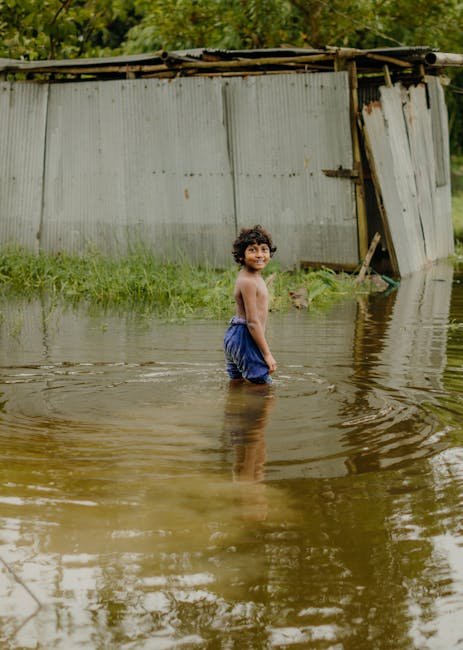
Natural disasters that impact border areas, like earthquakes or floods, test a region’s resilience by challenging its logistical and governance capacities. Immediate restoration of border controls and humanitarian corridors exemplifies this attribute.
Rapid deployment of resources to reestablish order after a crisis is a vital marker of resilience. This includes mobilizing border security, re-opening customs posts, and reassuring local populations of their safety.
Institutional Capacity and Governance
Strong institutions play a pivotal role in fostering resilience at geopolitical boundaries. Efficient border management agencies and clear protocols for emergency response ensure that disruptions are met with coordinated action.
Effective governance systems allow for quick decision-making and resource allocation, minimizing the duration and impact of crises. Political will and transparent communication further reinforce the sense of security along borders.
Resilient boundaries are often supported by legal frameworks that delineate responsibilities and rights in times of upheaval. These frameworks enable authorities to act decisively without overstepping legal limits.
Governments may invest in specialized training for border personnel, equipping them to handle both routine and extraordinary challenges. Such preparedness underpins the resilience of the boundary in the face of unexpected events.
Community Engagement and Local Adaptation
Local communities near borders are integral to resilience, as their cooperation can speed up recovery and stabilize affected areas. Residents often possess unique knowledge of terrain and social networks that aid in crisis response.
Cross-border relationships and shared cultural ties can facilitate mutual support during disruptions. These informal connections serve as valuable channels for information and resources when official systems are strained.
Community-driven initiatives, such as volunteer patrols or grassroots mediation efforts, complement formal state actions. Their involvement enhances trust and collective efficacy in restoring normalcy after shocks.
Resilient boundaries benefit from ongoing dialogue between authorities and local stakeholders. This continuous engagement ensures that recovery efforts are responsive to on-the-ground realities.
International Cooperation and Alliances
Resilience in geopolitical boundaries often relies on support from neighboring countries and international organizations. Joint border patrols, intelligence sharing, and humanitarian aid can accelerate recovery after disruptions.
For instance, regional blocs like the European Union have mechanisms to assist member states in safeguarding their external borders during crises. Such cooperation reduces the risk of spillover effects and enhances collective security.
International legal agreements, such as treaties on border demarcation and conflict resolution, serve as foundations for resilient boundaries. These arrangements clarify expectations and provide avenues for peaceful dispute settlement.
When external partners are quick to lend assistance, affected regions can rebound more effectively from shocks. The presence of trusted allies reassures local populations and deters further destabilizing actions.
What is Resiliency?

Resiliency refers to the ongoing adaptive processes that enable geopolitical boundaries to maintain stability amid changing pressures. It emphasizes flexibility, learning, and iterative adjustment to evolving threats and opportunities.
Long-Term Adaptive Capacity
Resiliency in the context of geopolitical boundaries is less about rapid recovery and more about sustained adaptation over time. It recognizes that continual evolution is necessary to confront persistent or emerging challenges.
Regions exhibiting high resiliency proactively anticipate changes such as shifting migration trends or climate-induced border shifts. They adjust policies and infrastructure incrementally to reduce vulnerability and enhance robustness.
For example, the gradual adaptation of the Netherlands’ coastal borders to rising sea levels demonstrates resiliency. Rather than reacting to a single event, authorities implement long-term strategies that accommodate ongoing environmental changes.
This approach allows boundary regions to absorb shocks without significant loss of function, even when disruptions are complex or protracted. Resiliency fosters a mindset of learning from past events to better prepare for the future.
Policy Flexibility and Scenario Planning
Policymakers emphasizing resiliency prioritize flexibility in border management strategies. They design protocols that can be adjusted as new information or threats emerge.
Scenario planning exercises help authorities anticipate a range of potential boundary crises, from cross-border insurgency to large-scale displacement. These exercises foster a culture of readiness and adaptability.
Resilient regions invest in monitoring systems that provide real-time data on border conditions. This information enables timely policy adjustments and mitigates the impact of unforeseen developments.
By integrating feedback from previous incidents, boundary management policies remain current and effective. This iterative process distinguishes resiliency from more static approaches to border security.
Integration of Diverse Stakeholders
Resilient boundaries are sustained by the coordinated efforts of a wide array of actors, including local governments, civil society, and international partners. Resiliency frameworks invite continuous participation from all relevant groups.
Multi-level governance structures facilitate communication and collaboration across different jurisdictions. This inclusivity promotes shared ownership and more sustainable solutions to boundary challenges.
For instance, the management of the Danube River borders involves multiple countries and agencies working together to address environmental, security, and economic concerns. Such partnerships enhance resiliency by pooling expertise and resources.
Engaging non-state actors, such as NGOs and community organizations, expands the range of perspectives and solutions applied to boundary management. This diversity strengthens the system’s adaptive capacity.
Institutional Learning and Innovation
Resiliency encourages institutions responsible for boundary security to learn from experience and integrate best practices. Regular assessments and after-action reviews identify areas for improvement and innovation.
Investing in new technologies, such as surveillance drones or advanced data analytics, enables boundary agencies to respond more effectively to evolving threats. Innovation becomes a cornerstone of sustained resiliency.
Participatory research involving local populations can surface unique insights that inform adaptive strategies. Such collaborative approaches ensure that solutions are contextually appropriate and widely supported.
Continuous professional development for border personnel instills a culture of curiosity and experimentation. This openness to change underpins the long-term resiliency of geopolitical boundaries.
Comparison Table
The table below highlights nuanced distinctions between resilience and resiliency as they pertain to geopolitical boundaries, using concrete scenarios and operational characteristics.
| Parameter of Comparison | Resilience | Resiliency |
|---|---|---|
| Time Horizon | Focuses on immediate recovery post-disruption | Emphasizes ongoing adaptation over extended periods |
| Approach to Change | Seeks to restore pre-crisis conditions swiftly | Adjusts to evolving circumstances continuously |
| Role of Local Communities | Mobilizes residents for rapid response | Engages stakeholders in sustained participatory processes |
| Institutional Strategy | Leverages existing protocols for crisis management | Regularly |

