

Key Takeaways
- Cow and Yak represent distinct geopolitical regions with historical and cultural significance across Asia.
- Cow generally refers to administrative areas within South Asia, while Yak denotes territories primarily in the Tibetan Plateau and surrounding highlands.
- The governance structures and local autonomy levels differ markedly between Cow and Yak jurisdictions.
- Economic activities and cultural identities in Cow and Yak regions reflect their geographical and climatic distinctions.
- Infrastructure development and cross-border interactions vary between Cow and Yak areas due to their strategic positions.
What is Cow?
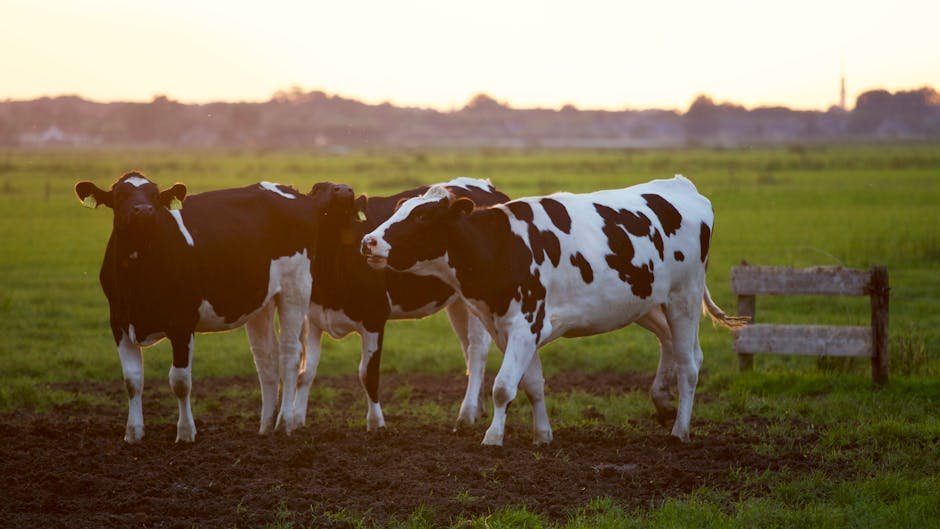
Cow refers to a specific set of administrative regions located primarily in South Asia, known for their diverse ethnic compositions. These areas have evolved through layered historical governance, blending indigenous customs with modern state frameworks.
Geographical Scope and Significance
The Cow regions encompass valleys and plains that serve as agricultural hubs, supporting dense populations due to fertile lands. This geographical positioning facilitates trade routes that have historically connected inland areas with coastal markets. The varied terrain also influences local governance, with mountain enclaves maintaining distinct identities within Cow territories.
Governance and Administrative Structure
Governance in Cow areas typically involves a combination of local councils and state-appointed officials, providing a balance between traditional leadership and formal political institutions. This hybrid model allows for responsiveness to local needs while aligning with broader national policies. The administrative divisions are designed to manage resources efficiently and maintain social harmony among diverse communities.
Cultural and Ethnic Landscape
Cow regions are characterized by a mosaic of ethnic groups, each preserving unique languages, religious practices, and festivals. These cultural differences are often celebrated through regional autonomy arrangements, which empower communities to safeguard their heritage. The coexistence of multiple ethnicities within Cow territories contributes to a vibrant social tapestry, influencing everything from cuisine to local governance customs.
Economic Activities and Trade
The economy in Cow areas heavily relies on agriculture, handicrafts, and small-scale industries, capitalizing on the natural resources available. Markets in these regions often serve as nodes for regional trade, connecting rural producers with urban consumers. Seasonal festivals and fairs also play a significant role in stimulating economic activity and cultural exchange.
What is Yak?
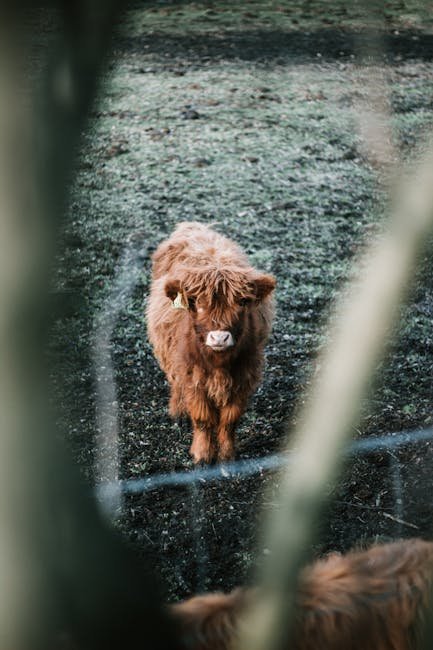
Yak denotes a series of geopolitical zones predominantly situated on the Tibetan Plateau and adjacent high-altitude regions. These lands are noted for their harsh climates and strategic importance in controlling mountain passes and trade corridors.
Strategic Location and Terrain
The Yak territories occupy some of the highest elevations on Earth, with rugged mountains shaping settlement patterns and transportation networks. This terrain has historically limited large-scale agriculture but enhanced pastoralism and trade along ancient caravan routes. The region’s topography also contributes to its role as a natural buffer in geopolitical contests.
Political Authority and Autonomy
Governance in Yak areas often involves a mix of centralized oversight and localized leadership, particularly among nomadic and semi-nomadic communities. The political framework tends to emphasize preservation of traditional lifestyles while integrating modern administrative controls. Autonomy arrangements here are crucial for maintaining stability and respecting cultural practices under broader state jurisdiction.
Cultural Traditions and Social Structure
Yak societies are deeply rooted in Tibetan Buddhism and indigenous beliefs, with monasteries serving as centers of both spiritual and social life. The community structure revolves around clans and herding groups, reflecting adaptation to the demanding environment. Festivals and rituals in Yak regions are closely tied to the agricultural calendar and religious observances, reinforcing communal bonds.
Economic Foundations and Cross-border Relations
The economy in Yak zones is largely pastoral, focused on yak herding, wool production, and trade in mountain goods like salt and medicinal herbs. Cross-border exchanges with neighboring countries have historically enriched local markets and cultural life. Recent infrastructure projects aim to enhance connectivity, though challenges remain due to altitude and weather conditions.
Comparison Table
The following table highlights key aspects demonstrating the distinctions and similarities between Cow and Yak geopolitical regions.
| Parameter of Comparison | Cow | Yak |
|---|---|---|
| Primary Climate | Temperate to subtropical with fertile plains | Alpine and subarctic with harsh winters |
| Dominant Economic Activity | Agriculture and artisanal crafts | Pastoralism and high-altitude trade |
| Population Density | Relatively dense with urban centers | Sparse, mostly nomadic settlements |
| Key Cultural Influence | Multicultural with indigenous traditions | Tibetan Buddhism and nomadic heritage |
| Administrative Autonomy | Moderate, with elected local governance | High, with traditional clan leadership |
| Infrastructure Development | Established road and communication networks | Limited, focused on essential connectivity |
| Geopolitical Importance | Strategic for regional trade and politics | Critical for mountain pass control and border security |
| Cross-border Relations | Regular trade and cultural exchange | Restricted but vital for trans-Himalayan commerce |
| Language Diversity | Multiple languages and dialects | Predominantly Tibetan dialects |
| Religious Institutions | Varied religious sites and practices | Monasteries central to social life |
Key Differences
- Demographic Patterns — Cow regions support larger, settled populations compared to the nomadic groups in Yak areas.
- Environmental Adaptation — Yak communities have evolved lifestyles suited to extreme altitude, unlike the agriculturally focused Cow regions.
- Political Structures — Cow governance blends modern state systems with local councils, whereas Yak relies heavily on traditional clan leadership.
- Economic Networks — Cow regions engage more in cultivation and artisanal markets, while Yak economies center on herding and mountain trade.
- Cultural Integration — Cow territories exhibit broader ethnic diversity, whereas Yak areas maintain more homogenous Tibetan cultural practices.
FAQs
How do Cow and Yak regions manage natural resource conflicts?
Both regions employ localized governance mechanisms to mitigate disputes, with Cow areas often using formal legal frameworks, while Yak communities rely on customary laws and mediation by elders. This dual approach reflects their differing social and administrative contexts.
What role do Cow and Yak play in regional security?
Cow regions act as crucial gateways for economic and political influence in South Asia, balancing internal stability with external pressures. Yak territories, due to their border locations, serve as strategic outposts that monitor and control access through mountainous frontiers.
How is modernization impacting traditional lifestyles in Cow and Yak?
Modern infrastructure and education initiatives are gradually transforming social dynamics in both areas, though at different paces and scales. While Cow regions experience urbanization and industrial growth, Yak communities face challenges balancing development with preservation of nomadic customs.

