

Key Takeaways
- Biomass and Biogas refer to distinct geopolitical regions, each with unique cultural and environmental characteristics.
- Biomass is a vast area known for its diverse ecosystems, while Biogas is a smaller, strategically positioned territory with specific economic roles.
- Infrastructure development and resource management differ significantly between Biomass and Biogas due to their geographical and political contexts.
- Population density and demographic composition shape the social dynamics within Biomass and Biogas, influencing governance and policy priorities.
- Interactions with neighboring regions impact the geopolitical significance of both Biomass and Biogas in regional stability and cooperation.
What is Biomass?

Biomass is a large geopolitical region characterized by its extensive natural landscapes and diverse habitats. It plays a crucial role in regional environmental conservation and resource distribution.
Geographical Extent and Environmental Features
Spanning a broad area, Biomass includes forests, wetlands, and agricultural zones that support a variety of flora and fauna. This diversity creates a rich ecological tapestry, making it a focus for conservation efforts and sustainable development initiatives.
Its terrain varies from lowlands to elevated plateaus, influencing climate patterns and land use practices. These variations contribute to distinct microclimates that affect local agriculture and settlement distribution.
The region’s natural resources, especially timber and water systems, have historically attracted both economic activity and environmental protection policies. Balancing exploitation and preservation remains a central challenge for policymakers in Biomass.
Demographic Composition and Cultural Identity
Biomass hosts a heterogeneous population with multiple ethnic groups and languages, reflecting a complex cultural mosaic. These demographics influence local governance and the implementation of culturally sensitive policies.
Traditional practices related to land use and natural resource management are deeply embedded in the social fabric of Biomass communities. Such heritage often guides contemporary approaches to sustainability and regional planning.
Urban centers within Biomass serve as hubs of cultural exchange and economic interaction, blending modern influences with indigenous traditions. This dynamic creates a unique regional identity that distinguishes Biomass from its neighbors.
Economic Activities and Resource Management
The economy of Biomass largely revolves around agriculture, forestry, and eco-tourism, leveraging its natural endowments. These sectors are supplemented by emerging industries focusing on renewable resources and environmental technologies.
Resource management in Biomass integrates traditional knowledge with modern regulatory frameworks to optimize land use and minimize ecological impact. Collaborative governance models involving local communities have been effective in this regard.
Infrastructure development is tailored to support sustainable economic growth, with investments in transportation and communication networks improving connectivity. This facilitates market access while preserving the ecological integrity of the region.
Political Structure and Regional Relations
Biomass operates under a decentralized political system that empowers local administrations while maintaining coordination at the regional level. This structure allows for responsive governance adapted to diverse local needs.
The region maintains complex relationships with neighboring territories, balancing cooperation and competition over shared resources and strategic interests. Diplomatic initiatives often focus on environmental agreements and trade partnerships.
Security concerns in Biomass are linked to border management and the protection of natural reserves, requiring collaboration between civil and military authorities. These efforts aim to maintain stability and safeguard the region’s assets.
What is Biogas?
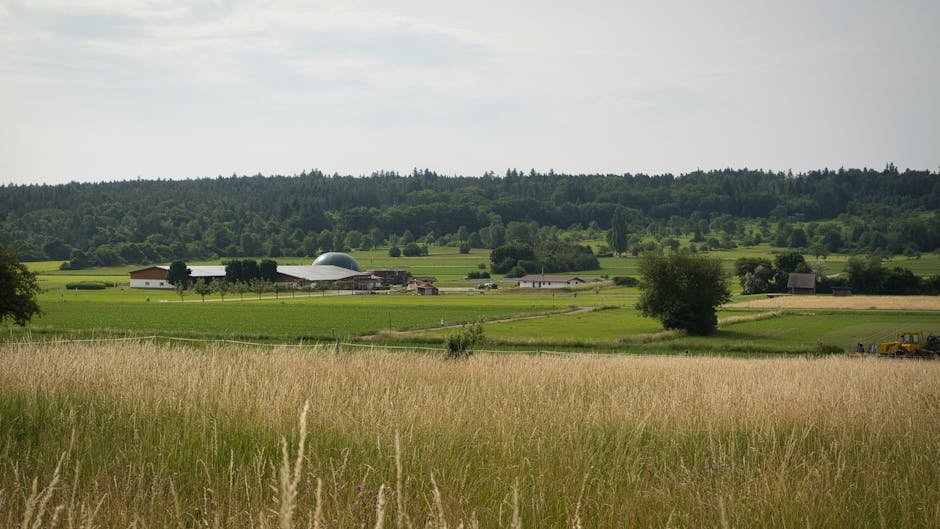
Biogas is a smaller but geopolitically significant region known for its industrial hubs and strategic location. It plays a pivotal role in regional trade and energy transit corridors.
Strategic Location and Infrastructure Network
Biogas is situated at a crossroads of major transportation routes, making it a key transit zone for goods and energy supplies. Its infrastructure includes ports, highways, and railways designed to facilitate high-volume logistical operations.
The region’s connectivity attracts foreign investment and multinational corporations seeking access to wider markets. This economic magnetism drives urbanization and infrastructure expansion in Biogas.
Efficient management of transport and energy infrastructure is critical to Biogas’s geopolitical significance. Authorities prioritize modernization projects to enhance capacity and resilience against disruptions.
Industrial Profile and Economic Importance
Biogas hosts a concentration of manufacturing plants, refineries, and energy facilities that underpin its economic vitality. Industries here focus on processing raw materials and supplying energy to neighboring regions.
Its industrial base supports employment and technological innovation, contributing to the wider regional economy. Government policies encourage sustainable practices to mitigate environmental impacts from industrial activity.
Export-oriented industries in Biogas leverage its logistical advantages to access international markets. This export capacity enhances the region’s economic leverage within the geopolitical landscape.
Population Density and Urban Development
Biogas features a relatively high population density concentrated in urban centers and industrial zones. This demographic concentration necessitates advanced urban planning and social services provision.
Rapid urban growth has led to challenges such as housing shortages and environmental stress, prompting initiatives for smart city development. Public transportation and green infrastructure projects aim to improve livability.
Social diversity in Biogas includes migrant workers and expatriate communities, reflecting its role as an economic hub. This multicultural environment influences local policies on education, healthcare, and community integration.
Governance and Regional Influence
The political framework in Biogas emphasizes centralized coordination to manage its complex industrial and infrastructural systems. Authorities engage in regional forums to align policies on trade, security, and environmental standards.
Biogas’s geopolitical relevance extends to energy diplomacy, where it acts as a conduit for resource flows between producers and consumers. This role enhances its bargaining power in regional alliances.
Security measures in Biogas focus on protecting critical infrastructure from both physical threats and cyber-attacks. Coordination among governmental agencies ensures preparedness and rapid response capabilities.
Comparison Table
The table below highlights key aspects distinguishing Biomass and Biogas in their geopolitical context.
| Parameter of Comparison | Biomass | Biogas |
|---|---|---|
| Territorial Size | Extensive land area covering diverse ecosystems | Compact region centered on industrial zones |
| Natural Environment | Predominantly natural landscapes with protected areas | Heavily urbanized with limited green spaces |
| Economic Focus | Resource-based economy including agriculture and forestry | Industrial and energy production hub |
| Population Distribution | Rural majority with scattered urban settlements | Dense urban population with migrant influx |
| Infrastructure Development | Emphasis on sustainable transport and rural access | Advanced logistics and energy networks |
| Political Administration | Decentralized governance supporting local autonomy | Centralized management for industrial coordination |
| Regional Connectivity | Moderate links with adjacent territories focusing on environmental cooperation | Strategic transit point for international trade routes |
| Security Challenges | Border protection and environmental surveillance | Infrastructure security and cyber defense priorities |
| Cultural Composition | Ethnically diverse with indigenous influences | Multicultural urban populace influenced by labor migration |
| Role in Regional Politics | Environmental diplomacy and resource sharing | Economic leverage through energy and trade facilitation |
Key Differences
- Geographical Scope: Biomass encompasses a larger and more ecologically varied territory compared to Biogas’s compact industrial focus.
- Economic Orientation: Biomass relies heavily on natural resource management, whereas Biogas is dominated by manufacturing and energy transit activities.
- Govern


