

Key Takeaways
- Calligraphy and cursive both involve stylized handwriting but serve distinct geopolitical and cultural functions.
- Calligraphy is often linked to formal, artistic representations of territorial boundaries, emphasizing symbolism and heritage.
- Cursive tends to reflect practical, everyday use in administrative documents and informal boundary demarcations.
- The use of calligraphy or cursive in maps and documents can influence perceptions of legitimacy and authority over regions.
- Understanding their application provides insight into how different cultures and governments communicate territorial claims.
What is Calligraphy?
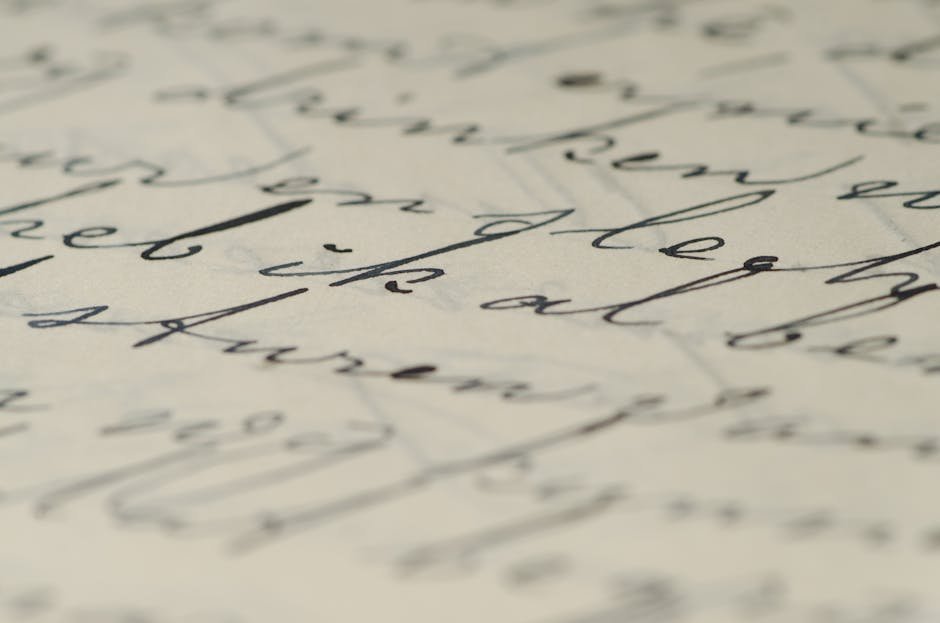
Calligraphy in the context of geopolitical boundaries refers to the artistic and formalized representation of borders and territorial limits. It emphasizes elegance and symbolic meaning in the depiction of regions on official documents and maps.
Artistic Representation of Territorial Limits
Calligraphy transforms boundary lines and border names into visually striking elements that go beyond mere cartographic function. This artistic approach often helps convey cultural pride and historical significance embedded within a territory.
For example, traditional East Asian maps frequently employ calligraphic scripts to underline the cultural weight of imperial boundaries. Such use reinforces the authority of the ruling entities by linking borders with refined artistry.
By enhancing aesthetic appeal, calligraphy can also make maps more engaging for both local populations and international observers. The careful brush strokes contribute to a sense of permanence and respect for the defined space.
Symbolism and Cultural Identity
Calligraphic styles on boundary documents often reflect the cultural heritage of the region, embedding identity into geopolitical claims. This symbolic use can assert sovereignty through visual cues that resonate with local traditions.
In the Middle East, for instance, Arabic calligraphy is sometimes incorporated into border demarcations, enhancing the spiritual and cultural connection to the land. This practice highlights how calligraphy transcends mere functional use to become a cultural statement.
Such symbolic representation can also aid in diplomatic negotiations, where the artistic presentation of borders may soften disputes or emphasize historical ties. The elegance of calligraphy conveys respect and formality during sensitive discussions.
Use in Official Documents and Treaties
Calligraphy frequently appears in treaties and official boundary agreements to underline their solemnity and legal weight. The presence of hand-crafted script signals careful attention and the importance of the document.
Historical treaties often featured calligraphic signatures and annotations to authenticate the terms of territorial exchange or recognition. This practice helped prevent forgery and provided a tangible connection to the authorities involved.
Even in modern times, calligraphy may be used ceremonially to inscribe boundary agreements, reinforcing the gravity of geopolitical arrangements. It serves not only a decorative purpose but also a procedural role in legitimizing territorial claims.
Regional Variations in Calligraphic Styles
Different regions develop distinct calligraphic traditions that influence how boundaries are depicted and perceived. These variations can reflect linguistic diversity, aesthetic preferences, and historical developments.
In South Asia, for example, Persian-influenced calligraphy often adorns old maps, reflecting the fusion of cultural influences in border representation. This style contrasts with European cartographic traditions, which tend toward more geometric lettering.
Such diversity in calligraphic expression offers insight into the complex layering of identity and authority in border regions. It also highlights how calligraphy adapts to local contexts while maintaining its symbolic role.
What is Cursive?

Cursive in a geopolitical context refers to a more practical, flowing style of handwriting used primarily in administrative boundary documents and informal territorial delineations. It emphasizes speed and legibility over decorative flair.
Practical Application in Administrative Records
Cursive is commonly employed in day-to-day boundary documentation, where clear but rapid writing is necessary. This approach facilitates the recording of land titles, local jurisdictional lines, and minor territorial adjustments.
Government clerks and surveyors often rely on cursive scripts to efficiently log changes without sacrificing readability. This utility supports ongoing administration and management of defined areas.
Such documentation typically prioritizes functional clarity, making cursive an optimal choice for bureaucratic environments. Its legibility aids in avoiding disputes due to misinterpretation of written boundaries.
Informal Boundary Demarcations
Cursive handwriting often appears in less formal boundary references, such as local land agreements or community-recognized limits. These documents may lack the ceremonial weight of calligraphic treaties but remain legally relevant.
For example, rural landholders might use cursive notes to define property lines during informal negotiations or disputes. The ease of cursive writing supports these grassroots territorial understandings.
This practical use of cursive underscores its role in everyday geopolitical realities rather than symbolic or artistic expression. It reflects the lived experience of territorial management on a local scale.
Speed and Efficiency in Boundary Communication
The flowing nature of cursive writing enables faster transcription of boundary-related information. This is particularly valuable during surveys or negotiations where quick note-taking is essential.
Surveyors in the field often use cursive to jot down measurements and observations without interrupting workflow. This efficiency helps maintain accuracy while accommodating the dynamic nature of territorial delineation.
By balancing speed and clarity, cursive supports the practical demands of managing evolving geopolitical boundaries. It complements more formal documentation methods by providing flexible, immediate records.
Regional Preferences in Cursive Usage
Different geopolitical regions may favor distinct cursive styles based on educational systems and administrative traditions. These preferences influence how boundary information is recorded and maintained.
In parts of Eastern Europe, for example, cursive scripts often incorporate unique letterforms that can differ significantly from Western cursive styles. This variation affects the interpretation of local boundary documents.
Understanding regional cursive practices is crucial for accurately reading and validating territorial records in diverse geopolitical contexts. It also reflects broader cultural approaches to governance and record-keeping.
Comparison Table
The following table contrasts key features of calligraphy and cursive as they relate to geopolitical boundaries, highlighting their distinct roles and characteristics.
| Parameter of Comparison | Calligraphy | Cursive |
|---|---|---|
| Purpose | Artistic and symbolic representation of borders | Practical and rapid documentation of boundaries |
| Visual Style | Ornate, deliberate strokes emphasizing aesthetics | Flowing, connected letters emphasizing speed |
| Use in Legal Documents | Featured in formal treaties and ceremonial agreements | Common in everyday administrative papers and surveys |
| Cultural Significance | Represents heritage and sovereignty through design | Reflects functional governance and local practices |
| Legibility | May require specialized knowledge to interpret | Designed for clear and quick reading |
| Regional Variation | Strongly influenced by traditional art forms | Varies with local handwriting conventions |
| Impact on Perception | Enhances perceived legitimacy and authority | Supports administrative efficiency and clarity |
| Historical Usage | Often found in historical maps and royal decrees | Widely used in land registries and local records |
| Complexity | High, requires skill and patience | Low to moderate, prioritizes speed |
Key Differences
- Artistic versus Functional Focus — Calligraphy prioritizes artistic expression while cursive emphasizes practical communication.
- Formality of Use — Calligraphy is reserved for official and ceremonial contexts, whereas cursive is common in routine administrative tasks.
- Interpretation Requirements
