

Key Takeaways
- Fluke and Incident are distinct geopolitical boundary types characterized by their formation and territorial impact.
- Flukes represent narrow protrusions of a country’s territory extending into another, often creating complex border dynamics.
- Incidents refer to sudden, often temporary, territorial disputes or confrontations along geopolitical boundaries.
- Flukes generally have long-standing historical and geographical roots, whereas Incidents tend to be event-driven and transient.
- The management and resolution of Flukes and Incidents require different diplomatic and strategic approaches due to their nature.
What is Fluke?

A Fluke is a geopolitical boundary term describing a narrow, elongated extension of a state’s territory that juts into another country or region. These protrusions typically arise from historical treaties, natural geographic features, or strategic territorial claims.
Geographical Formation and Characteristics
Flukes often occur where natural features such as rivers or mountain ranges have influenced the delineation of borders. For example, the Caprivi Strip in Namibia is a classic example of a fluke created to provide access to the Zambezi River, illustrating how geography can shape such territorial protrusions.
These extensions usually create logistical and administrative challenges for the controlling country, complicating governance and border security. Additionally, flukes can isolate communities from their main national territory, impacting transportation and communication.
The irregular shape of flukes sometimes causes confusion in border management and can be a source of tension if neighboring countries perceive them as encroachments. This unique territorial formation often invites special bilateral agreements to regulate cross-border movement and resource use.
Historical Context and Creation
Flukes frequently originate from colonial-era treaties where arbitrary lines were drawn without full consideration of ethnic or geographic realities. The Caprivi Strip, for instance, was created during German colonial negotiations to give access to the Congo River basin.
In many cases, these boundaries were established to serve strategic or economic interests rather than cultural or social cohesion. Consequently, flukes can reflect historical compromises or impositions rather than natural territorial divisions.
The legacy of these historical decisions can persist through decades, influencing current diplomatic relations and local identities. In some instances, flukes have been the subject of dispute due to their awkward positioning and strategic value.
Strategic and Political Implications
Flukes can hold significant strategic importance, especially when they provide access to vital waterways or resources. Their control can influence regional power balances and trade routes, as seen with the Caprivi Strip’s access to river systems.
Governments often invest considerable resources to maintain sovereignty and security over flukes, which may be vulnerable to smuggling or insurgent activities. The narrowness and isolation of flukes can complicate defense logistics and border patrol efforts.
Politically, these territories may also become symbols of national pride or territorial integrity, complicating negotiations over border adjustments. As such, flukes can be flashpoints in broader geopolitical dialogues.
Socioeconomic Impact on Local Populations
Populations residing within flukes may experience unique socioeconomic challenges due to their geographic isolation from the main territory. Access to government services, infrastructure, and economic opportunities can be limited by the fluke’s shape and location.
Cross-border interactions are often more frequent in fluke areas, leading to complex cultural and economic exchanges that defy strict national boundaries. This can foster both cooperation and tension between neighboring communities.
Moreover, flukes can become transit corridors for trade or migration, which may strain local resources but also create opportunities for economic development. The dual nature of these impacts requires nuanced policy approaches by the governing authorities.
What is Incident?
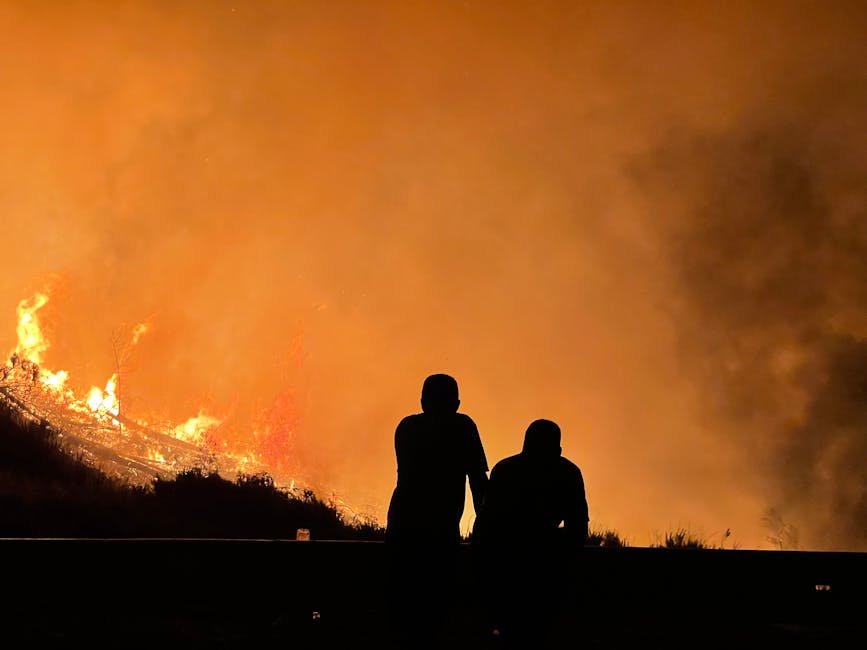
In geopolitical terms, an Incident refers to an event or occurrence involving a sudden dispute, confrontation, or violation along a boundary between states. Unlike flukes, incidents are temporary episodes rather than fixed territorial features.
Nature and Scope of Incidents
Incidents can range from minor border skirmishes to significant diplomatic crises, often triggered by contested claims or misunderstandings. For example, the 1969 Sino-Soviet border clash was a serious incident that escalated regional tensions for years.
These events are typically unpredictable and arise from specific political or military actions rather than long-standing territorial arrangements. They often involve military personnel, border guards, or local populations caught in flashpoints.
Incidents may also include unauthorized crossings, violations of treaties, or aggressive maneuvers, impacting the stability of international relations. Their resolution frequently requires immediate diplomatic engagement to prevent escalation.
Causes and Triggers
Incidents commonly stem from ambiguous or poorly demarcated borders, leading to conflicting interpretations of sovereignty. In some cases, nationalist rhetoric or political pressures can provoke aggressive posturing along boundaries.
Economic interests such as resource extraction or control over trade routes may also serve as flashpoints for incidents. For instance, disputed oil-rich border areas have been the scene of multiple confrontations worldwide.
Environmental factors, such as shifting river courses, can alter perceived border lines and trigger incidents when states disagree on the new demarcations. Such natural changes complicate long-term border management and increase the likelihood of disputes.
Diplomatic and Military Responses
States typically respond to incidents with a combination of diplomatic protests, negotiations, and sometimes military posturing to assert sovereignty. The goal is often to de-escalate tensions while maintaining territorial claims.
International organizations or third-party mediators may become involved to facilitate dialogue and prevent conflict escalation. For example, the United Nations has occasionally deployed peacekeeping forces in disputed border regions experiencing recurring incidents.
Rapid communication channels and confidence-building measures are crucial in managing incidents effectively and avoiding prolonged crises. Lessons from past incidents have informed the development of protocols to mitigate such occurrences.
Impact on Bilateral and Regional Stability
Incidents can strain bilateral relations, disrupting trade, cooperation, and broader diplomatic ties between neighboring countries. Persistent or unresolved incidents may contribute to long-term hostility and militarization of border areas.
Regional organizations often play a role in managing the fallout from incidents by promoting dialogue and conflict prevention mechanisms. For example, ASEAN has mechanisms designed to address border incidents among member states.
Occasionally, incidents escalate into larger conflicts if not managed promptly, influencing the security dynamics of entire regions. This underscores the importance of proactive incident management to maintain peace and stability.
Comparison Table
The table below contrasts Fluke and Incident based on various geopolitical boundary aspects.
| Parameter of Comparison | Fluke | Incident |
|---|---|---|
| Definition | Permanent territorial protrusion extending into another country. | Temporary event involving conflict or dispute along a border. |
| Origin | Typically results from historical treaties and geographical features. | Triggered by political, military, or environmental factors. |
| Duration | Long-standing and enduring boundary feature. | Short-lived, often resolved within weeks or months. |
| Impact on Territory | Physically alters the shape and extent of national borders. | Does not change borders but challenges their enforcement. |
| Administrative Challenges | Creates governance and logistical complexities due to isolation. | Requires swift diplomatic and security responses. |
| Strategic Importance | Can provide access to resources or key geographic points. | Often revolves around control or violation of sensitive zones. |
| Examples | Namibia’s Caprivi Strip, Alaska Panhandle. | 1969 Sino-Soviet border clash, India-Pakistan ceasefire violations. |

