

Key Takeaways
- The Italic peoples comprised a diverse collection of tribes inhabiting the Italian Peninsula before Roman dominance.
- The Romans established a centralized, expansive republic and later empire, influencing much of Europe and the Mediterranean.
- Italic societies were generally tribal and regionally fragmented, while Roman society was highly organized with codified laws and governance.
- Italic cultures contributed to early linguistic and religious developments that the Romans later assimilated and standardized.
- The Roman state expanded through military conquest and political integration, whereas Italic groups mostly maintained localized control.
What is Italic?

The term Italic refers to a group of ancient tribes and peoples who lived in the Italian Peninsula prior to the rise of Rome. These communities shared linguistic and cultural traits but were politically independent and often in conflict with one another.
Ethnolinguistic Diversity of the Italic Peoples
The Italic peoples spoke related but distinct languages belonging to the Italic branch of Indo-European tongues, including Latin, Oscan, and Umbrian. These languages formed the basis of early cultural identities and were spoken in various regions, reflecting a complex mosaic of communities.
For example, the Samnites in the central Apennines spoke Oscan, whereas the Latins around Rome spoke Latin, which later became dominant. This linguistic diversity contributed to varying customs, social structures, and religious practices among Italic tribes.
Archaeological findings, such as inscriptions and pottery, reveal the coexistence and interaction between these groups, highlighting their shared roots yet distinct local characteristics. Their linguistic variations also influenced the eventual spread and evolution of Latin as a lingua franca in Italy.
Political Organization and Social Structure
Italic tribes were typically organized into small, autonomous communities led by chieftains or councils, lacking a centralized government. These groups often engaged in rivalries or alliances, depending on shifting political and military needs.
Some Italic peoples, such as the Samnites, developed confederations to resist external threats, notably Roman expansion. However, their political organization remained decentralized compared to the evolving Roman state system.
Social hierarchy within these tribes was based on kinship and warrior status, with elites exercising authority through personal influence rather than formal institutions. This structure contrasted with the Roman Republic’s codified legal framework and elected magistracies.
Religious Beliefs and Practices
Italic religious customs were deeply rooted in animism and nature worship, with a pantheon of local deities and spirits connected to natural elements. Rituals often involved sacrifices and festivals aimed at securing divine favor for agriculture and warfare.
The Italic tribes practiced sacred rites at shrines and natural sites, reflecting a strong connection between spirituality and the environment. These practices were diverse but shared themes of honoring ancestors and appeasing gods for communal well-being.
Many Italic religious elements influenced early Roman religion, which assimilated Italic deities and ritual forms into a more systematic pantheon. This syncretism helped solidify Rome’s cultural integration of the peninsula’s inhabitants.
Military Traditions and Conflicts
The Italic peoples were known for their fierce warrior culture, often engaging in localized conflicts and resisting external domination. Their military tactics varied but typically included guerrilla warfare and the use of rugged terrain to their advantage.
Numerous wars occurred between Italic tribes themselves, as well as against neighboring powers such as the Etruscans and Greeks colonizing southern Italy. The Samnite Wars exemplify their prolonged resistance against Roman expansion in the 4th century BCE.
Despite eventual Roman conquest, Italic military traditions persisted and influenced Roman legionary organization, including the incorporation of Italic soldiers into Roman armies. This blend of martial customs contributed to Rome’s military prowess.
What is Roman?
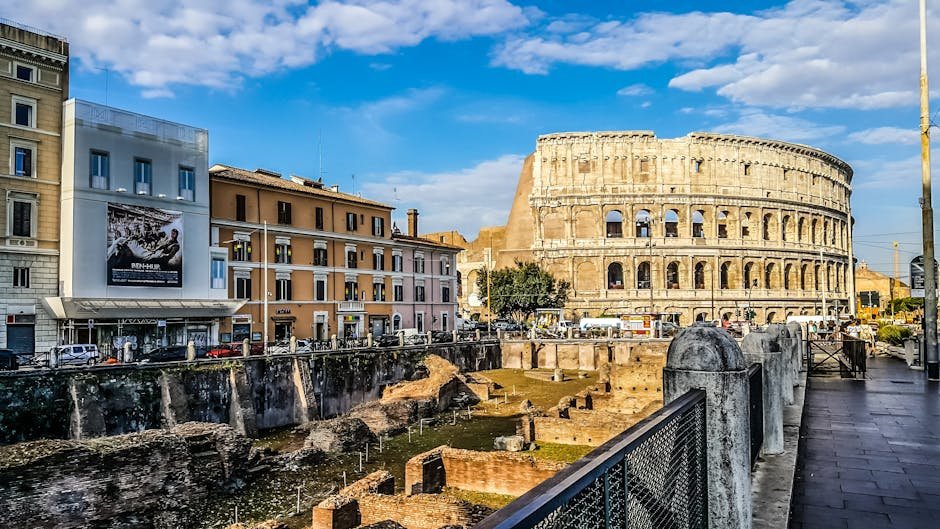
Roman refers to the civilization centered on the city of Rome, which grew from a small settlement into one of history’s most extensive empires. Roman society was characterized by sophisticated legal, political, and military institutions that shaped the Mediterranean world.
Political Evolution from Monarchy to Republic
The early Roman Kingdom gave way to the Republic in 509 BCE, introducing a complex system of elected officials, senatorial governance, and checks on power. This political model balanced aristocratic and popular interests through magistracies and assemblies.
The Republic expanded Rome’s influence through alliances, colonization, and military conquest, while maintaining internal stability via codified laws such as the Twelve Tables. This structure laid the groundwork for Rome’s transformation into a vast imperial power.
Political tensions, including conflicts between patricians and plebeians, led to reforms that expanded citizen rights and participation. These developments helped Rome sustain effective governance across increasingly diverse and distant territories.
Social Hierarchy and Citizenship
Roman society was highly stratified, with clear distinctions among patricians, plebeians, freedmen, and slaves. Citizenship was a prized status, initially limited but gradually extended to conquered peoples, fostering loyalty and integration.
The granting of Roman citizenship to Italian allies after the Social War (91–88 BCE) was pivotal in unifying the peninsula under Roman law and culture. This inclusion helped stabilize the Republic and later the Empire by creating a common legal identity.
Social mobility was possible through military service, political office, or economic success, which contributed to Rome’s dynamic society. However, entrenched aristocratic families retained significant influence over political and economic life.
Legal and Cultural Institutions
Roman law was one of the civilization’s defining features, providing a comprehensive system to regulate public and private life. The codification of laws like the Twelve Tables offered transparency and consistency, influencing later legal traditions worldwide.
Roman cultural institutions encompassed literature, architecture, religion, and education, which were deeply intertwined with state ideology. Public forums, temples, and baths served as centers of civic life, reflecting Rome’s emphasis on communal identity.
The Romans adopted and adapted cultural elements from conquered peoples, including the Italic tribes, Greeks, and Etruscans, creating a syncretic civilization. This cultural blending was instrumental in Rome’s ability to govern diverse populations.
Military Organization and Expansion
The Roman military was a highly disciplined, professional force organized into legions with standardized training, equipment, and tactics. This structure allowed Rome to conduct sustained campaigns across Europe, North Africa, and the Near East.
Roman conquest was often accompanied by infrastructure development, such as roads and fortifications, facilitating control and integration of conquered territories. The military also played a key role in spreading Roman culture and law.
Over time, the Roman army incorporated auxiliary units drawn from Italic and other provincial peoples, enhancing its flexibility and manpower. This inclusivity helped maintain Rome’s dominance despite its vast geographic reach.
Comparison Table
The following table highlights distinct aspects of Italic and Roman societies, emphasizing their geopolitical and cultural differences.
| Parameter of Comparison | Italic | Roman |
|---|---|---|
| Political Structure | Decentralized tribal communities with local chieftains | Centralized republic with elected magistrates and senate |
| Language Usage | Multiple related languages, including Oscan and Umbrian | Latin as official language, evolving into lingua franca |
| Religious Practice | Animistic worship focused on local deities and natural sites | Organized pantheon with state-sponsored temples and ceremonies |
| Military Approach | Guerrilla tactics and tribal warfare | Professional legions with standardized tactics |
| Territorial Control | Localized territories with shifting alliances | Expansive empire spanning multiple continents |
| Social Organization | Kinship-based clans with warrior elites | Hierarchical classes including patricians, plebe |

