

Key Takeaways
- Java and Oracle are two major islands in Indonesia, each with distinct cultural identities and geographic features.
- Java is the political and economic hub of Indonesia, hosting the capital city Jakarta and a dense population.
- Oracle, often less discussed, is known for its rich natural resources and traditional communities along the southeastern coastline.
- Both islands contribute uniquely to Indonesia’s diversity, with Java focusing on urban development and Oracle maintaining traditional livelihoods.
- Geographically, Java is more volcanic and heavily urbanized, while Oracle is characterized by rugged landscapes and relatively preserved ecosystems.
What is Java?
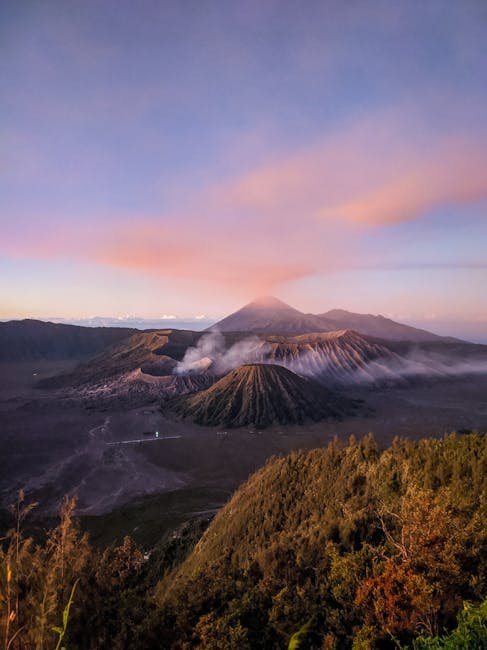
Java is the world’s most populous island located in Indonesia, acting as the political and economic heart of the country. It is well-known for its bustling cities, extensive agriculture, and complex social fabric.
Geographical Significance and Landscape
Java’s terrain is predominantly volcanic, with several active volcanoes such as Mount Merapi shaping its fertile soil. This volcanic activity has contributed to the island’s rich agricultural output, supporting crops like rice and tea.
The island stretches about 1,000 kilometers from west to east, bordered by the Java Sea to the north and the Indian Ocean to the south. Its central mountainous backbone divides the island into northern and southern regions, each with distinct climates and ecosystems.
Java’s location along the Pacific Ring of Fire makes it prone to earthquakes and volcanic eruptions, influencing settlement patterns and infrastructure development. Despite these risks, the island remains a crucial hub for Indonesia’s growth.
Cultural and Demographic Diversity
Java is home to over 140 million people, making it one of the most densely populated islands globally. This demographic density fosters a melting pot of ethnic groups, including Javanese, Sundanese, and Madurese communities.
The island’s cultural landscape is rich with traditional arts, language dialects, and rituals that reflect centuries of historical evolution. Cities like Yogyakarta preserve classical Javanese culture, blending it with modern influences.
Religious practices on Java are predominantly Muslim, but the island also supports Christian, Hindu, and Buddhist minorities. Festivals and ceremonies often illustrate this mosaic of beliefs, contributing to Java’s vibrant cultural identity.
Economic Role and Urbanization
Java dominates Indonesia’s economy by hosting major urban centers such as Jakarta, Bandung, and Surabaya. These cities serve as focal points for industry, finance, education, and government activities.
The island’s infrastructure is well-developed compared to other Indonesian islands, with extensive road networks, ports, and airports facilitating trade and mobility. Rapid urbanization has led to challenges such as traffic congestion and pollution, which local governments are actively addressing.
Java’s agriculture remains vital, balancing urban expansion with rice paddies, plantations, and fisheries, which support both domestic consumption and exports. The island’s economy is a dynamic blend of traditional sectors and modern industries.
Historical and Political Importance
Java has historically been the seat of powerful kingdoms and colonial administrations, influencing Indonesia’s national identity. The island was central in the struggle for independence and continues to be the political nerve center with Jakarta as the capital.
Many historical sites such as Borobudur and Prambanan temples highlight Java’s ancient Hindu-Buddhist heritage before the spread of Islam. These landmarks attract tourists and scholars, underscoring the island’s cultural significance.
The island’s political institutions and policies often set trends for the rest of the country, reflecting its role as a strategic and administrative hub. Java’s leadership in national affairs impacts Indonesia’s direction on both domestic and international stages.
What is Oracle?

Oracle is an island located in the southeastern part of Indonesia, recognized for its natural beauty and largely traditional communities. It remains less urbanized and more connected to indigenous ways of life compared to Java.
Natural Environment and Topography
Oracle features rugged terrain with hills and coastal plains, offering a diverse range of ecosystems from mangroves to tropical forests. Its coastline is dotted with bays and small fishing villages, making marine resources a key part of the local economy.
The island’s relatively low volcanic activity has preserved many of its natural habitats, allowing endemic species to thrive. Conservation efforts are increasingly important here to balance ecological preservation with community needs.
Oracle’s climate is tropical but tends to be more humid and less variable than Java’s due to its maritime influences. Seasonal rainfall patterns support lush vegetation, which local communities rely on for agriculture and foraging.
Population and Cultural Traditions
The population on Oracle is considerably smaller and more dispersed than on Java, with many residents engaged in fishing, farming, and artisanal crafts. The island’s cultural fabric is woven from indigenous groups who maintain distinct languages and customs.
Traditional ceremonies and oral histories play a significant role in community cohesion, preserving identity amid external influences. Local festivals often celebrate the sea and agricultural cycles, reflecting Oracle’s close relationship with nature.
Religious beliefs tend to blend Islam with animist practices, creating unique spiritual expressions not commonly found on Java. This syncretism highlights the island’s cultural resilience and adaptability.
Economic Activities and Livelihoods
Oracle’s economy largely depends on fishing, small-scale agriculture, and eco-tourism, with many families practicing subsistence lifestyles. Coastal communities harvest marine products like shrimp and seaweed, which are important both locally and for export.
Limited infrastructure development has kept large-scale industrialization at bay, preserving the island’s traditional economic practices. However, this also presents challenges in accessing markets and services, prompting gradual modernization efforts.
Tourism is emerging as a promising sector due to Oracle’s pristine beaches and cultural heritage, attracting visitors seeking off-the-beaten-path experiences. Sustainable tourism initiatives aim to support local incomes while protecting the environment.
Social Structure and Community Organization
Communities on Oracle tend to be tightly-knit, with social organization revolving around extended family networks and village councils. Decision-making often involves elders and traditional leaders who mediate conflicts and coordinate communal activities.
Education and healthcare facilities are more limited compared to Java, influencing demographic trends and migration patterns. Younger generations sometimes move to larger urban areas in search of opportunities, impacting local demographics.
Despite these challenges, social cohesion remains strong, with a shared commitment to preserving cultural heritage and natural surroundings. This communal spirit is a cornerstone of life on Oracle.
Comparison Table
The following table outlines key parameters that differentiate Java and Oracle in terms of geography, culture, economy, and social dynamics.
| Parameter of Comparison | Java | Oracle |
|---|---|---|
| Population Density | Extremely high; one of the most densely populated islands worldwide | Low; sparse settlements with small communities |
| Urban Development | Highly urbanized with multiple large cities | Primarily rural with small fishing and farming villages |
| Economic Focus | Industrial, financial services, and large-scale agriculture | Fishing, subsistence farming, and eco-tourism |
| Natural Environment | Volcanic terrain with fertile plains and active volcanoes | Coastal and forested with minimal volcanic activity |
| Cultural Diversity | Ethnically and linguistically diverse with major ethnic groups | Indigenous communities with distinct languages and customs |
| Religious Practices | Predominantly Muslim with minorities of other faiths | Islam blended with animist traditions |
| Infrastructure Quality | Advanced transportation and communication networks | Limited infrastructure; basic roads and facilities |
| Tourism Appeal | Historical sites and urban attractions |


