

Key Takeaways
- Mystical boundaries often relate to spiritual or esoteric regions, sometimes linked to sacred sites or unseen realms within geopolitical contexts.
- Mythical borders are primarily constructed from legendary narratives, folk tales, and cultural stories that influence national identities and historical perceptions.
- The concept of Mystical borders might include areas believed to be portals or zones of spiritual power, affecting local traditions and practices.
- Mythical borders serve as symbolic markers that reinforce cultural myths, shaping collective memory and national mythology.
- Both types of borders are used to create cultural distinctions, but Mystical borders lean more towards spiritual significance, whereas Mythical borders are rooted in stories and legends.
What is Mystical?

Mystical boundaries in a geopolitical context refer to regions or borders that are imbued with spiritual or supernatural significance. These borders are often associated with sacred sites, spiritual portals, or areas believed to harbor unseen energies. They influence local customs, religious practices, and sometimes even political decisions based on spiritual beliefs.
Spiritual Significance and Sacred Sites
Many mystical borders are centered around locations considered sacred or spiritually powerful, such as pilgrimage routes or ancient temples. These areas often attract spiritual practitioners, pilgrims, and tourists seeking divine favor or enlightenment. Governments or local communities may protect or regulate these zones to preserve their sacredness, influencing border policies.
Examples include regions like Mount Kailash in Tibet or the Ganges River in India, where spiritual beliefs elevate geographical boundaries to sacred status. These borders can sometimes be points of contention, especially when spiritual claims conflict with political sovereignty. The spiritual importance assigned to these areas often transcends their physical boundaries.
Furthermore, mystical borders can be associated with places believed to be portals to other dimensions or realms, according to local legends. Such beliefs influence cultural practices and even conflict over control of these regions. They shape how communities perceive their territory beyond physical or political considerations.
Local folklore and religious narratives often reinforce the idea that crossing these borders without proper ritual or permission could bring spiritual repercussions. Consequently, these borders are maintained through rituals, taboos, and spiritual custodianship, which impact regional stability. Their influence extends into everyday life, guiding behaviors and community interactions.
Unseen Energies and Esoteric Boundaries
Mystical borders are sometimes described as zones where unseen energies or ley lines intersect, believed to impact health, weather, or spiritual well-being. These invisible boundaries shape local traditions, such as the placement of temples or sacred trees, framing the landscape as a living spiritual map.
For instance, some cultures believe that certain mountain ranges or river confluences act as spiritual gateways, influencing geopolitical decisions or territorial claims. These beliefs often give rise to rituals aimed at harnessing the perceived energies for protection or prosperity.
In some cases, governments recognize or at least acknowledge these mystical borders when planning the preservation of cultural heritage sites. They may incorporate spiritual considerations into border security or land use policies to respect local beliefs. This blending of spiritual and political boundaries complicates governance but also reinforces cultural identity.
These unseen energies is also used metaphorically to describe the emotional or cultural ‘boundaries’ felt by communities, thus reinforcing a sense of spiritual belonging or exclusion. Such borders are fluid, often shifting with religious festivals, spiritual movements, or changing cultural perceptions.
Overall, mystical borders influence not only spiritual life but also political relations, as they embody a blend of physical, spiritual, and cultural elements that define regional identities. Their power lies in their ability to unify or divide based on deeply held beliefs that are often resistant to rational challenge.
What is Mythical?
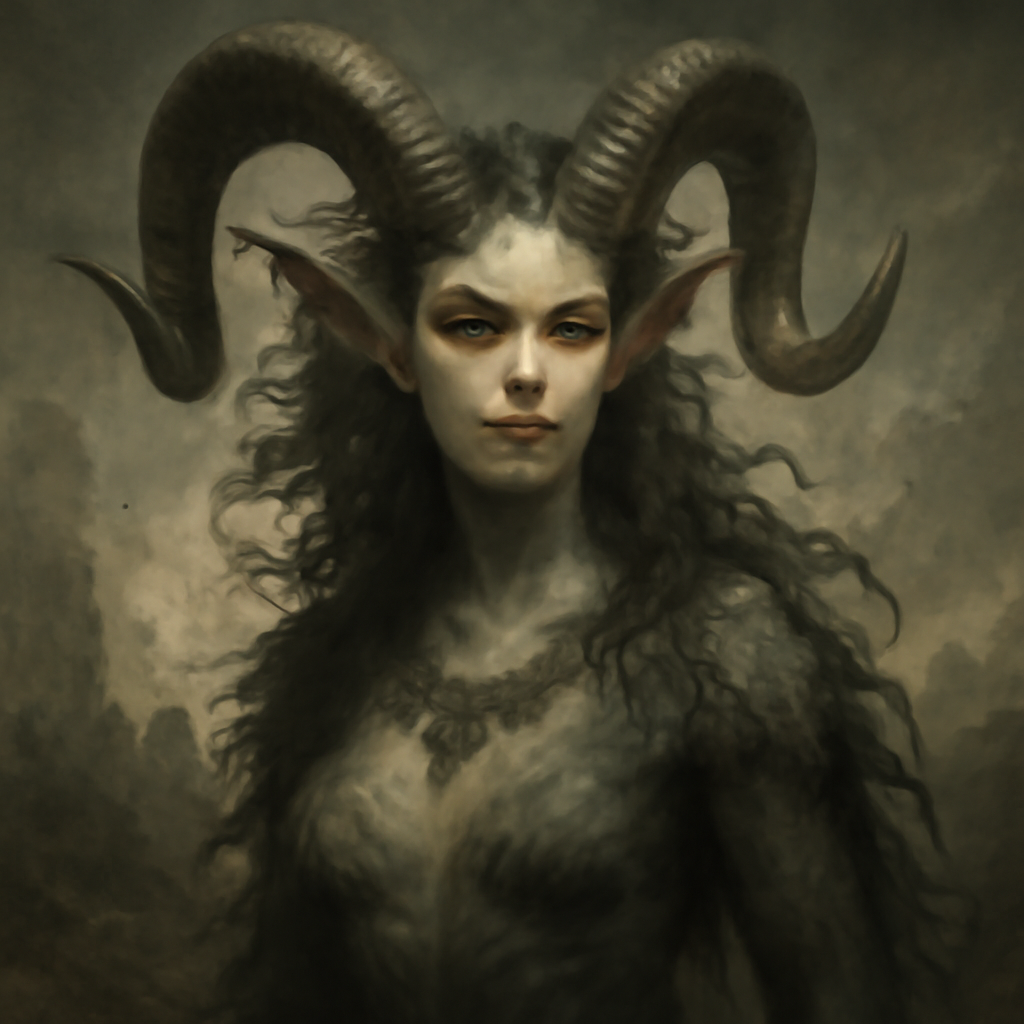
Mythical borders are boundaries defined by legendary stories, folk tales, and cultural myths that shape perceptions of national or regional identity. These borders are often more symbolic than physical, serving to reinforce collective memories and cultural narratives. They influence how societies understand their history and territorial claims.
Legends and Folk Tales as Boundary Markers
Many borders are rooted in stories of heroic deeds, battles, or divine interventions that supposedly established or protected them. For example, the borders of ancient kingdoms often aligned with legendary landmarks or events that have been passed down through generations. Although incomplete. These stories serve to legitimize territorial claims and foster a sense of belonging.
Some mythical borders are associated with mythical creatures or legendary figures, which become symbols of the region’s identity. For instance, the border regions in Celtic or Norse mythology often feature tales of gods and monsters which symbolize natural features or territorial boundaries.
In many cases, these myths serve to explain the origins of a nation or region, providing a shared narrative that unites diverse communities under a common cultural umbrella. They often appear in national anthems, folklore festivals, and cultural rituals, strengthening the perceived legitimacy of these borders.
Moreover, mythical borders are sometimes used to justify political claims or conflicts, especially when historical narratives emphasize divine right or heroic origins. These stories can be manipulated to support territorial disputes or independence movements, embedding myth into geopolitics.
Legendary Landmarks and Cultural Symbols
Legendary landmarks such as the Tower of Babel or the Stone of Destiny serve as mythical boundary markers, symbolizing the frontier between different civilizations or cultural groups. These sites are often imbued with stories that elevate their significance beyond mere geography.
Such landmarks are often protected as national treasures, with their stories fostering pride and cultural continuity. They embody collective memories of struggle, victory, or divine favor, often becoming focal points of national identity.
These symbols influence border perceptions, especially when legends describe the land as sacred, cursed, or blessed. They often inspire cultural festivals or commemorations that reinforce the boundary’s importance in societal consciousness.
Mythical borders are sometimes reinterpreted over generations, adapting to new political realities while retaining their legendary core. They serve as cultural anchors that keep historical narratives alive, even if the physical borders shift or fade.
Ultimately, these borders are less about actual geography and more about the stories that create a sense of rootedness and cultural continuity. They help communities navigate their history and reinforce collective identity through mythic storytelling.
Comparison Table
Below is a comparison of Mystical and Mythical borders across different aspects:
| Parameter of Comparison | Mystical | Mythical |
|---|---|---|
| Basis of origin | Spiritual beliefs, sacred sites, unseen energies | Legend, folklore, cultural stories |
| Physical presence | Often intangible or associated with specific sacred locations | Legendary landmarks or symbolic features |
| Influence on identity | Religious or spiritual community cohesion | Cultural or national historical pride |
| Legitimization | Based on spiritual authority or esoteric knowledge | Based on stories of heroism, divine intervention |
| Conflict potential | Can cause disputes over sacred sites or energies | May fuel disputes over historical claims or legends |
| Flexibility | Fluid, can change with spiritual movements or beliefs | Relatively fixed, based on established stories |
| Role in governance | Influences land preservation, spiritual practices | Shapes national narratives, cultural festivals |
| Perceived permanence | Can be seen as eternal or transcendent | Subject to reinterpretation over generations |
Key Differences
Here are some pointed distinctions between Mystical and Mythical borders:
- Foundation of Significance — Mystical borders are rooted in spiritual or supernatural beliefs, while Mythical borders are based on legendary stories and folklore.
- Physical Manifestation — Mystical borders may have no tangible boundary markers, whereas Mythical borders are often linked with specific landmarks or symbols.
- Impact on Policy — Mystical borders influence religious practices and land preservation, while Mythical borders shape cultural identity and historical narratives.
- Changeability — Mystical boundaries can shift with spiritual movements or beliefs, whereas Mythical borders tend to remain relatively stable over time.
- Basis of Legitimacy — Mystical borders derive legitimacy from spiritual authority, Mythical borders from stories of divine or legendary origins.
- Potential for Conflict — Disputes over Mystical borders often involve sacred sites, whereas conflicts over Mythical borders usually relate to historical claims or legends.
FAQs
How do Mystical borders influence local politics?
Mystical borders can impact local politics when spiritual leaders or communities advocate for the recognition of sacred sites, sometimes leading to disputes over land rights or territorial control. Religious authorities may lobby governments to preserve or restrict access to certain regions, intertwining spiritual beliefs with political decisions. These borders might also influence tourism policies or land use regulations, reflecting the spiritual significance attributed to the area.
Can Mythical borders change over time?
Yes, Mythical borders can evolve as stories are retold and reinterpretations emerge through generations. While the core legends often remain, their cultural significance may shift, sometimes expanding or diminishing based on new historical perspectives or political needs. These changes can lead to altered perceptions of territorial boundaries, especially when myths are politicized to support current claims,
Are Mystical borders recognized by governments?
In some cases, governments acknowledge the importance of Mystical borders, especially when they coincide with UNESCO World Heritage sites or protected spiritual zones. However, official recognition varies, and often these borders exist more as cultural or religious markers than formal political boundaries. Although incomplete. Disputes over sacred sites can complicate sovereignty and land management, especially when spiritual claims conflict with state interests.
What role do myths play in border disputes?
Myths can serve as powerful tools in border disputes by providing historical or divine legitimacy to territorial claims. Leaders and communities may invoke legendary narratives to reinforce their rights over certain regions, sometimes leading to conflict or negotiations rooted in storytelling. These stories often resonate deeply, making them a potent element in shaping geopolitical realities beyond physical boundaries.


