

Key Takeaways
- Slingshot and Shanghai represent distinct geopolitical boundaries with unique historical and strategic significance in East Asia.
- Slingshot refers to a strategic corridor in the Korean Peninsula, pivotal for military and diplomatic maneuvering.
- Shanghai is a major coastal city in China, serving as a crucial economic and geopolitical hub with extensive international influence.
- Both regions illustrate different facets of geopolitical tension and cooperation, shaped by their geographical positions and political contexts.
- The comparison highlights contrasting roles in regional security, economic development, and international diplomacy.
What is Slingshot?

Slingshot is a term used to describe a narrow and strategically significant corridor on the Korean Peninsula, often referenced in military and geopolitical discussions. It symbolizes a region where geopolitical boundaries and military interests converge, influencing regional stability.
Geographical Importance
The Slingshot corridor lies between North and South Korea, forming a narrow passage that holds immense military value. Its topography allows for rapid troop movements and serves as a buffer zone, which has been critical in various conflict scenarios on the peninsula.
This area’s terrain includes mountainous regions and valleys that complicate large-scale invasions, making it a key factor in defense strategies. Control over this corridor can dictate the flow of military operations and influence peace negotiations.
Given its location, the Slingshot is also significant for intelligence gathering and monitoring cross-border activities. It acts as a frontline for observing military deployments and movements from either side of the divide.
Historical Context
The Slingshot corridor’s importance dates back to the Korean War, where it became a focal point for numerous battles. Its strategic value was underscored by both North and South Korean forces as well as their respective allies.
Over decades, the region has seen fluctuating control, reflecting broader geopolitical tensions on the peninsula. It has witnessed ceasefire agreements and intermittent conflicts, making it a barometer for peace efforts.
Its history continues to influence current military postures, with both Koreas maintaining heightened alertness around the area. The corridor remains a symbol of ongoing division and potential reconciliation.
Military and Security Dynamics
The Slingshot corridor is heavily militarized, with constant surveillance and fortified positions on both sides of the boundary. It serves as a critical zone for deterrence and rapid response in the event of hostilities.
Military exercises often incorporate this corridor to simulate conflict scenarios, underlining its tactical significance. Its proximity to the Demilitarized Zone (DMZ) adds layers of complexity to operational planning.
Security protocols in this region are stringent, involving multinational monitoring efforts to prevent escalations. The corridor’s status influences broader regional security architectures and alliance commitments.
Diplomatic Relevance
Slingshot acts as a geographic and symbolic point in diplomatic negotiations regarding the Korean Peninsula. Dialogue surrounding this region often reflects broader efforts to reduce tensions and promote stability.
International actors frequently reference the corridor during peace talks and confidence-building measures. Its control and accessibility remain key topics in inter-Korean and allied discussions.
Diplomatic initiatives sometimes focus on joint management or demilitarization efforts in this corridor to foster trust. However, persistent geopolitical rivalries complicate such endeavors.
What is Shanghai?
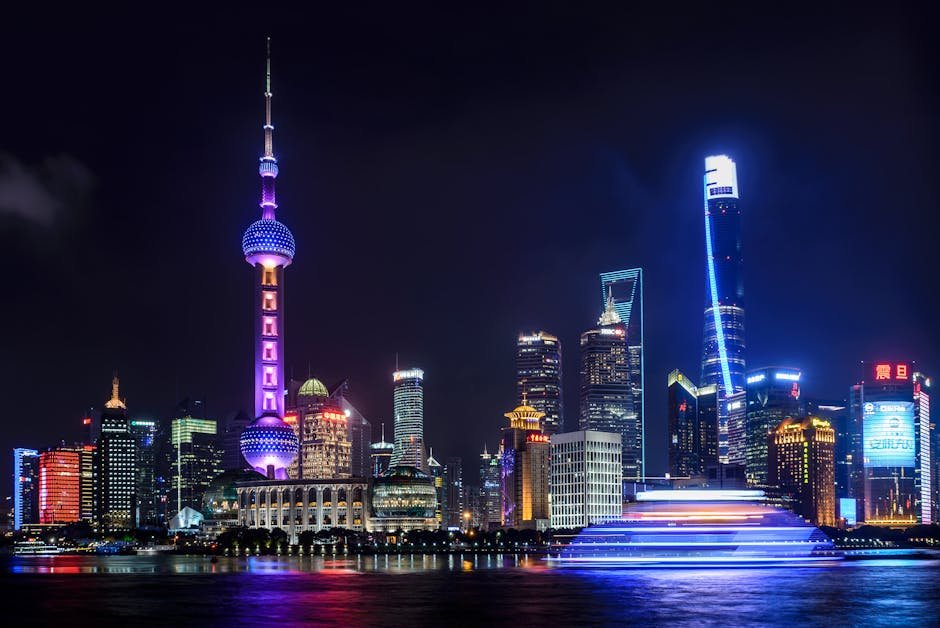
Shanghai is a sprawling metropolitan city located on China’s eastern coast, recognized as a global financial and shipping center. It serves as a pivotal geopolitical node, influencing both domestic and international policies.
Economic and Trade Significance
Shanghai hosts one of the world’s busiest ports, making it a central hub for global trade and commerce. Its economic infrastructure supports vast manufacturing and service sectors, driving China’s export economy.
The city’s free trade zones attract international investment, fostering innovation and cross-border business operations. Shanghai’s economic policies often set precedents for broader national reforms.
Its connectivity via sea and air routes positions it as a gateway to Asia and beyond, crucial for supply chain dynamics. The city’s financial markets also play a growing role in influencing global capital flows.
Geopolitical Influence
Shanghai’s strategic coastal location grants it considerable influence in regional maritime affairs. It acts as a frontline city in China’s efforts to assert its presence in the East China Sea and beyond.
The city regularly hosts international summits and diplomatic events, underscoring its role in global dialogue. Its development reflects China’s broader ambitions for regional leadership and global integration.
Shanghai’s infrastructure and political clout support China’s Belt and Road Initiative, linking it to a wider network of geopolitical partnerships. It symbolizes the intersection of economic power and diplomatic strategy.
Urban and Demographic Dynamics
With a population exceeding 24 million, Shanghai is one of the most populous cities worldwide, presenting unique governance challenges. Its urban planning integrates modern skyscrapers with traditional neighborhoods, reflecting rapid modernization.
The city attracts talent and migrants from across China and globally, contributing to a cosmopolitan atmosphere. This demographic diversity fuels cultural exchange and economic creativity.
Shanghai’s social policies and infrastructure development aim to balance growth with sustainability amid high population density. Its urban model is often studied for replicability in other megacities.
Security and Regional Stability
Shanghai plays a vital role in maintaining regional security through its port and technological infrastructure. The city’s cyber and physical security measures protect critical assets from external threats.
Local authorities collaborate with national agencies to safeguard against geopolitical risks, such as maritime disputes and trade disruptions. Shanghai’s security environment reflects the broader stability goals of the Chinese state.
Its position as an international hub means that diplomatic tensions often have direct implications for local governance and security protocols. The city is a focal point for intelligence and counterintelligence activities linked to regional power dynamics.
Comparison Table
The following table outlines key aspects distinguishing Slingshot and Shanghai in terms of geography, strategic value, and socio-political influence.
| Parameter of Comparison | Slingshot | Shanghai |
|---|---|---|
| Geographical Setting | Mountainous corridor along Korean Peninsula border | Coastal metropolitan city on the East China Sea |
| Strategic Role | Military buffer zone critical for defense strategies | Economic gateway with significant maritime influence |
| Population Density | Sparse, predominantly military and rural areas | Highly dense, urban population exceeding 24 million |
| Economic Importance | Minimal commercial activity, focus on military logistics | Global financial center with vast trade networks |
| Historical Conflict Involvement | Key battleground during Korean War and ongoing tensions | Relatively peaceful, with growth stemming from economic reforms |
| Governance | Controlled by military authorities with limited civil administration | Municipal government with extensive administrative autonomy |
| International Engagement | Focuses on security cooperation and diplomatic negotiations | Hosts international summits and fosters global business relations |
| Infrastructure Development | Basic military infrastructure, limited civilian facilities | Advanced urban infrastructure with extensive transport networks |
| Security Environment | Highly militarized with active surveillance and patrols | Integrated security systems addressing cyber and physical threats |


